Ageing is one of the most studied topics in modern biology, and peptides play a striking role in it. Under the heading ‘anti-aging peptides’ or ‘longevity peptides’, a diverse group of compounds is studied that acts on the fundamental mechanisms behind the ageing of cells. In this in-depth guide we explain what anti-aging peptides are, which ageing processes they touch in research, which compounds are examined most and what to watch for. All strictly research-only, without rejuvenation or health claims.
Anti-aging peptides is an umbrella term for research compounds that act on ageing mechanisms such as telomeres, mitochondrial function, oxidative stress and collagen. The most studied are GHK-Cu, Epithalon, NAD+, SS-31, Glutathione and MOTS-C. All at Peptide Lab for research only — not a medicine, not a rejuvenation treatment.
What are anti-aging peptides?
Anti-aging peptides is not a strict scientific category, but a practical umbrella term for peptides and related molecules associated with ageing in research. They do not ‘rejuvenate’ anything by themselves; they are studied for their influence on processes linked to the ageing of cells and tissues. To understand the rest of this guide it helps to first know what peptides are: short chains of amino acids that can act as signalling molecules. It is precisely that signalling function that makes them interesting for ageing research, which is all about steering cellular processes.
The biology of ageing: what do these peptides try to target?
Scientists often describe ageing through a set of underlying mechanisms — the so-called ‘hallmarks of aging’. Think of the shortening of telomeres (the protective caps of chromosomes), declining mitochondrial function (the cell’s power plants), increasing oxidative stress, chronic low-grade inflammation, and the deterioration of connective tissue such as collagen. Each anti-aging research compound usually targets one or a few of these mechanisms. That is exactly why there is no single ‘best’ anti-aging peptide: the choice depends entirely on which mechanism a researcher wants to study.
GHK-Cu: the copper peptide for connective tissue and skin
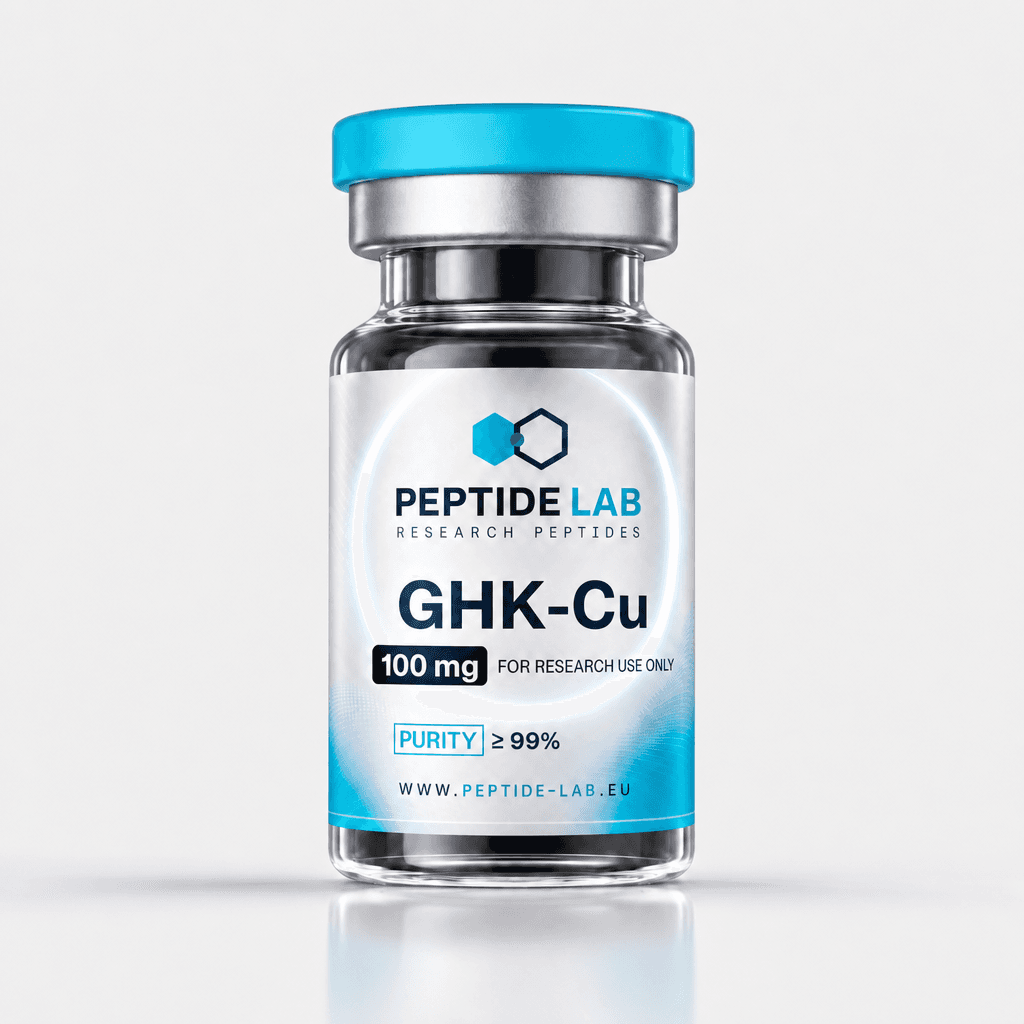
GHK-Cu is perhaps the best-known anti-aging peptide, a copper peptide studied in research in relation to collagen, connective tissue and skin structure. It occurs naturally in the body and declines with age, which explains the scientific interest. In research it is associated with wound healing, the extracellular matrix and skin rejuvenation. The full background is in what is GHK-Cu, and the broader context of copper peptides in copper peptides: cosmetic vs research.
Epithalon: telomeres and the pineal gland
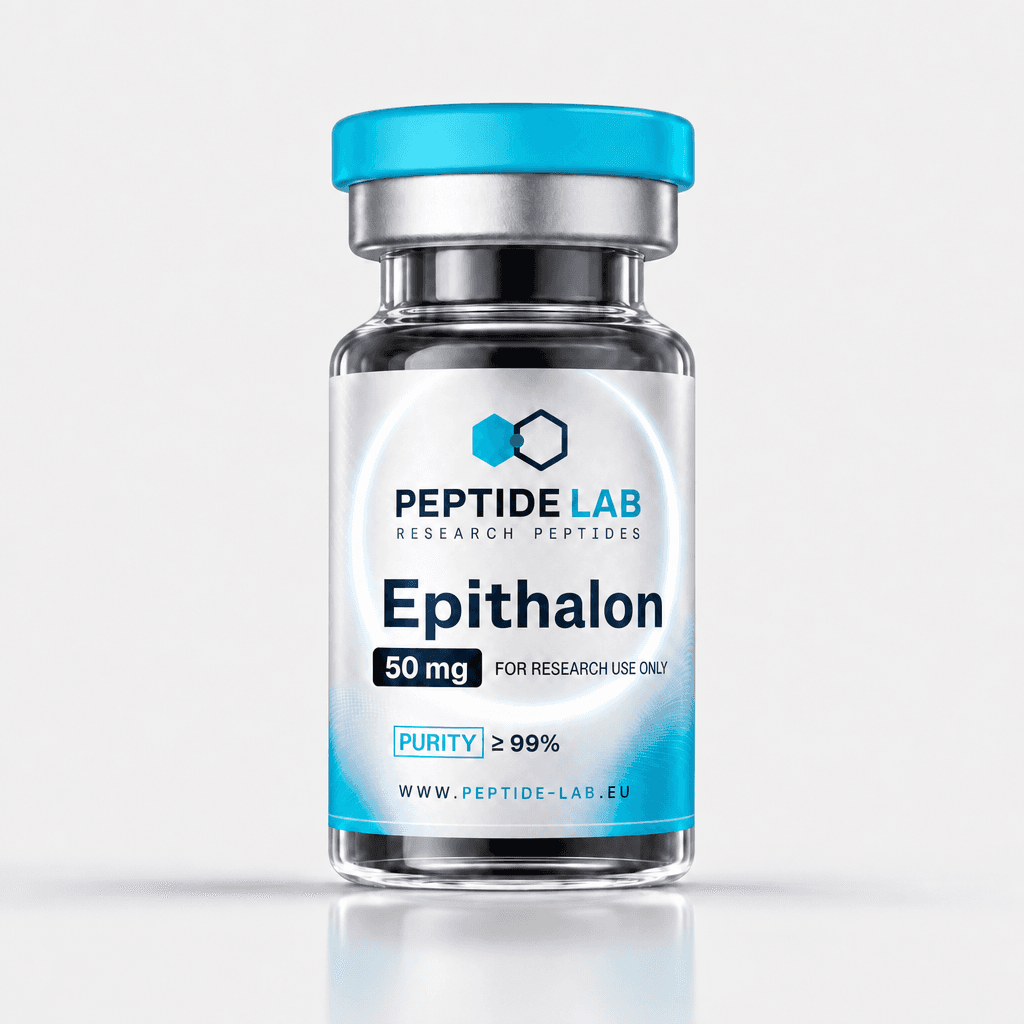
Epithalon is a synthetic tetrapeptide studied in ageing research mainly in relation to telomerase and the pineal gland. Telomerase is the enzyme that can lengthen telomeres; because telomere shortening is one of the core mechanisms of ageing, Epithalon is a favoured research subject within longevity research. It is also linked to the regulation of melatonin and the circadian rhythm. More on this in what is Epithalon.
NAD+: the co-enzyme of energy metabolism
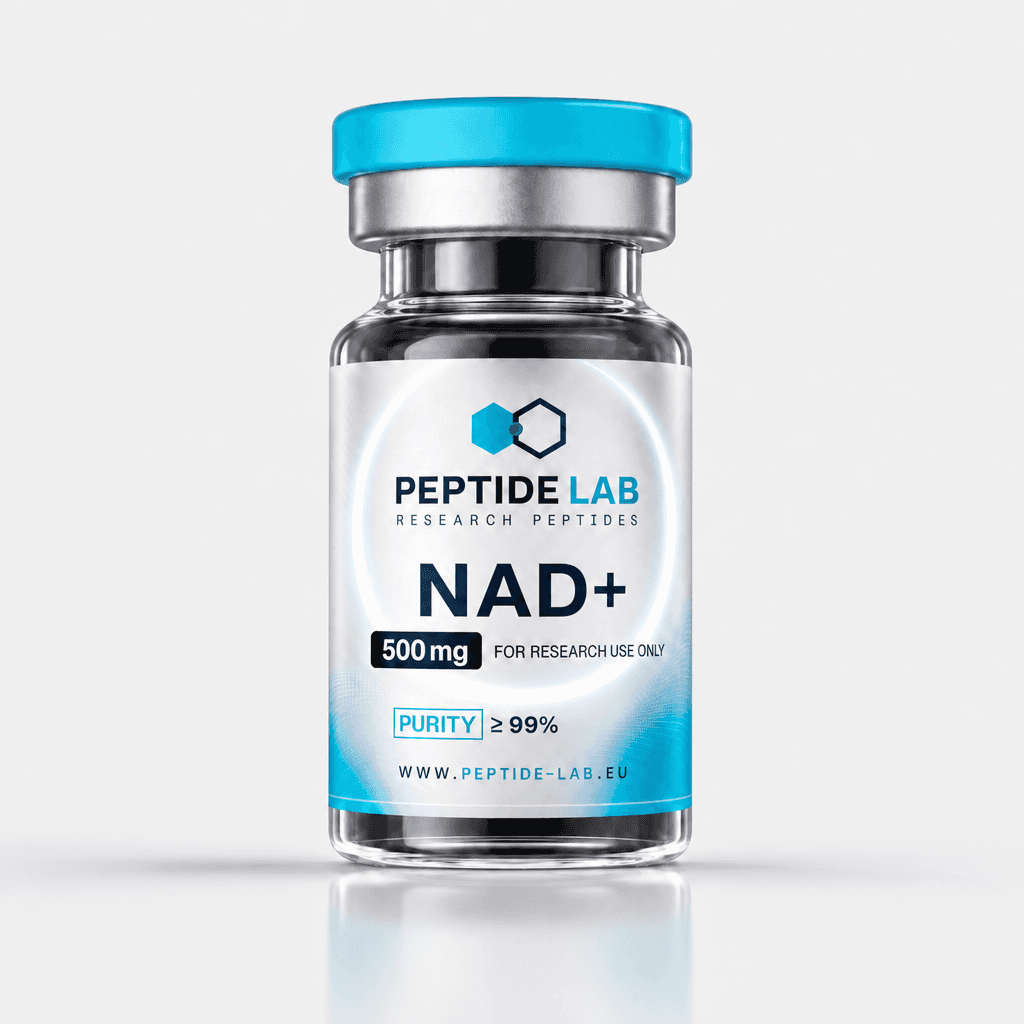
NAD+ (nicotinamide adenine dinucleotide) is strictly speaking not a peptide, but a co-enzyme central to energy metabolism that declines with age. It plays a role in the function of sirtuins — proteins associated with ageing and cellular repair — and in DNA repair. Within longevity research, restoring NAD+ levels is one of the most discussed strategies. The background is in what is NAD+.
SS-31 and MOTS-C: the mitochondrial angle
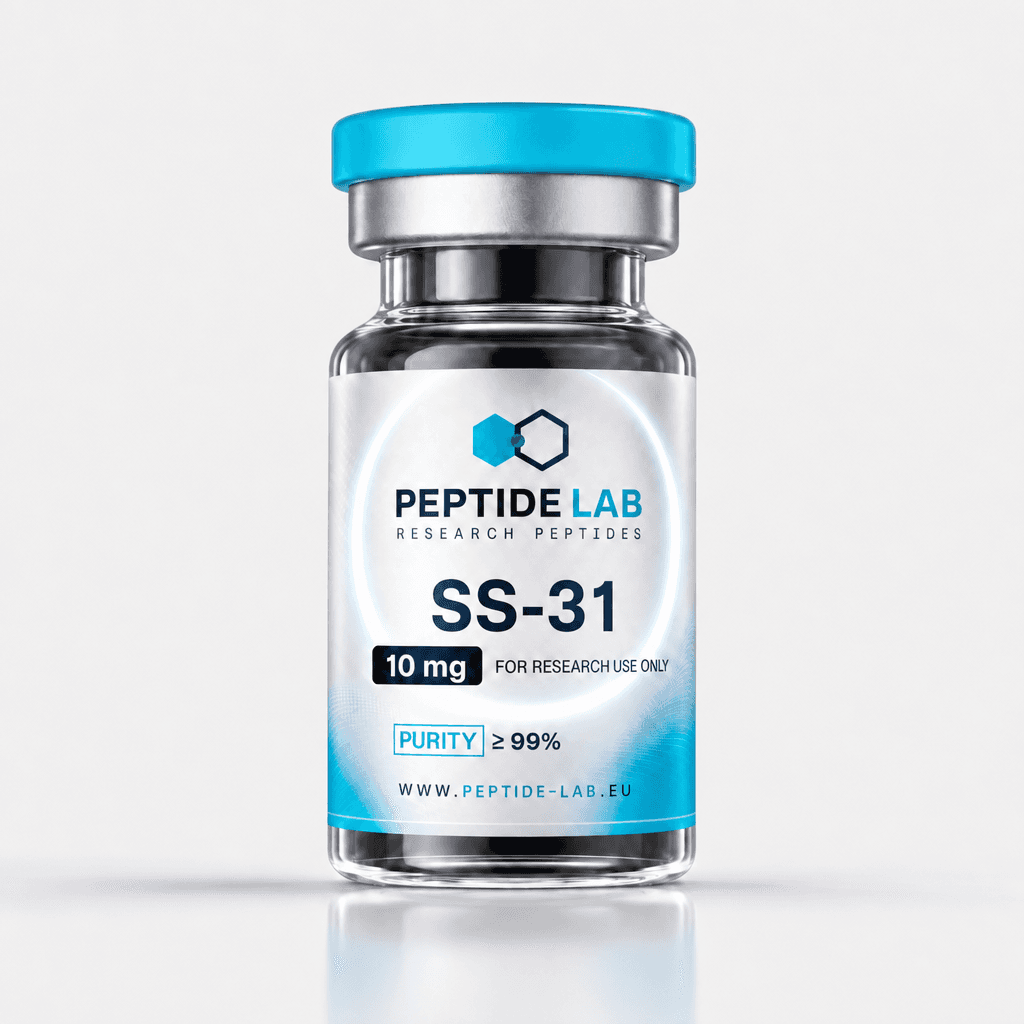
One of the strongest research lines within anti-aging focuses on the mitochondria — and two compounds are central to it. SS-31 is a peptide studied in research in relation to the inner mitochondrial membrane and protecting energy production against oxidative damage. MOTS-C is a mitochondrial-derived peptide studied in relation to metabolic homeostasis and the cellular stress response. Because declining mitochondrial function is a core mechanism of ageing, these two form an important pillar within the longevity field.
Glutathione: the body’s own antioxidant
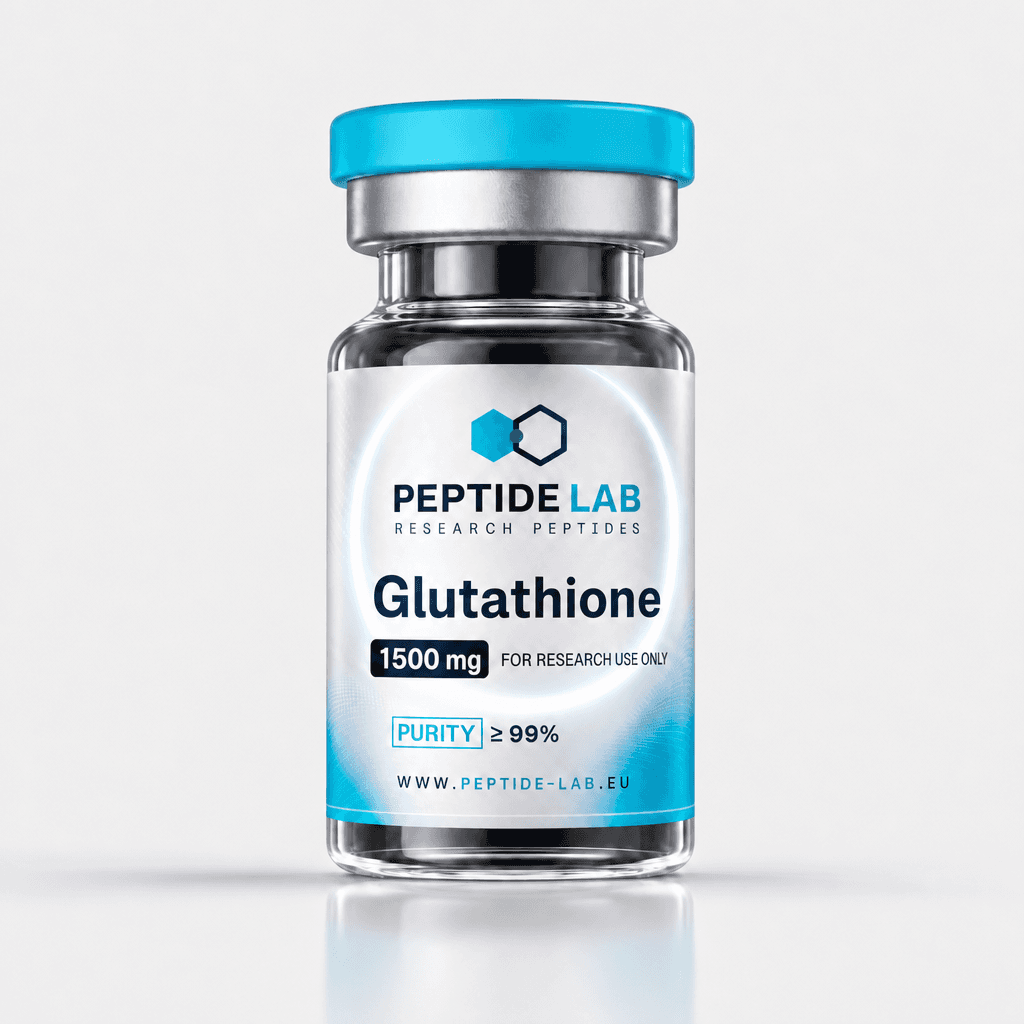
Glutathione is a tripeptide known as one of the body’s most important antioxidants and studied in research in relation to oxidative stress. Oxidative stress — an imbalance between free radicals and antioxidants — is one of the much-discussed factors in cellular ageing. Glutathione plays a central role in it as the ‘master antioxidant’. The full explanation is in what is Glutathione.
Cosmetic versus research-grade: an important distinction
Around anti-aging peptides there are two completely different product worlds that are often confused. On one side are the ready-to-use cosmetic serums for topical use, for example with copper peptides or collagen fragments — intended to be applied to the skin. On the other side are the research-grade peptides: lyophilised powders, for laboratory use only. Read more about the cosmetic side in peptides for skin and what are collagen peptides. For researchers it is crucial to keep this distinction sharp: a cosmetic serum is not research material and vice versa.
How researchers choose an anti-aging compound
The right question is not ‘which anti-aging peptide is best’, but ‘which ageing mechanism do I want to study’. If the research is about telomeres, Epithalon comes into view. If it is about connective tissue and skin, GHK-Cu is more logical. If the focus is on energy metabolism, NAD+, SS-31 and MOTS-C are more relevant. And if it is about oxidative stress, Glutathione is the obvious research subject. This mechanistic approach — target first, molecule second — avoids the trap of chasing the most popular compound without a clear research question. Browse the full anti-aging & longevity category.
Purity, documentation and storage
In anti-aging research, reliability stands or falls with the quality of the material: purity, documentation and storage. With every purchase, check the Certificate of Analysis with the measured purity (ideally ≥99%) and the batch number — read how to read a COA and view the public certificates per lot number. Also note the half-life and stability of each compound (see peptide half-lives) and store peptides according to the recommended refrigeration conditions — more on that in the cold chain of peptides. Incorrect storage is an underestimated source of degradation and therefore of unreliable results.
Combining within longevity research
Because ageing is driven by multiple mechanisms at once, anti-aging compounds are sometimes combined in research to study complementary routes simultaneously. A research design might, for example, place a mitochondrial compound (SS-31 or MOTS-C) alongside an antioxidant (Glutathione), because mitochondrial dysfunction and oxidative stress are closely linked. As with other peptide combinations, the golden rule applies here: a combination is only scientifically interpretable when you compare it with the separate components. Only then can you untangle which compound causes which observed effect. The broader principles behind combining peptides — synergy, interpretation and documentation — are covered in stacking and combining peptides. Without that comparative design, a longevity stack yields interesting observations but no conclusions about the individual contributions.
Reconstitution and dosing in research
Most anti-aging peptides are supplied as a lyophilised powder and must be reconstituted with bacteriostatic water before use in a research setup. The ratio of powder to solvent determines the concentration per unit, and thus the accuracy of each experiment — incorrect reconstitution is a common source of unreliable results. Use the reconstitution calculator to calculate the ratio per vial exactly. Exceptions are compounds supplied as a liquid or in another form, such as NAD+ and Glutathione in some formulations. Bear in mind that each compound has its own stability and shelf life after reconstitution; record date and concentration consistently so results stay reproducible.
Measurable markers: how ageing research measures effect
Part of what makes anti-aging research so compelling is that ageing is now measured with concrete biomarkers instead of vague assumptions. Think of telomere length, epigenetic ‘clocks’ that estimate biological age, markers of oxidative stress and inflammation, and indicators of mitochondrial function. In a good research design these markers are measured before and after an intervention, with a control group as a reference. It is precisely that measurability that makes it possible to distinguish observed effects from chance or placebo. For researchers the lesson is clear: the value of an anti-aging compound is not shown by a feeling, but by reproducible, controlled measurements of relevant markers.
Research versus hype around longevity
Few fields are as prone to exaggerated claims as the longevity field — which is precisely why sobriety is essential here. Much of what circulates online about anti-aging peptides mixes preclinical observations, early clinical studies and anecdotes into one big rejuvenation story. Scientifically responsible research acknowledges what is not yet known: long-term effects, optimal research doses and the translatability of models to humans are still open questions for most of these compounds. Anyone studying these peptides does well to weigh claims critically and go back to the original literature rather than rely on second-hand summaries.
Common misconceptions about anti-aging peptides
A few persistent misconceptions circulate around this topic that cloud the research rather than clarify it. The first is that ‘anti-aging peptides’ form one active category — while in fact they are molecules with completely different targets. The second is that a cosmetic serum and a research-grade powder are interchangeable; they are not, they are separate product categories with a different purpose. The third is that ‘naturally occurring’ automatically means ‘safe’ or ‘proven’ — origin says nothing about research status or purity. And the fourth is that results from a cell model or rodent study translate directly to humans. Avoiding these misconceptions lets you read the literature more accurately and draw more careful conclusions — the core of responsible ageing research.
This guide is for information and a research context only. The mentioned compounds at Peptide Lab are intended for laboratory and research purposes — not a medicine, not a rejuvenation treatment, not for human or animal consumption and not medical advice. No efficacy, rejuvenation or health claims for human use are made. For questions about health or ageing, always consult a qualified doctor.
Frequently asked questions about anti-aging peptides
What are anti-aging peptides?
Anti-aging peptides is an umbrella term for peptides and related compounds studied in research for processes linked to ageing — such as cellular senescence, telomeres, mitochondrial function, oxidative stress and collagen. It is not a medical category; these are research materials, not a rejuvenation treatment.
Which peptides are most studied within longevity research?
The most examined compounds are GHK-Cu (copper peptide), Epithalon (telomeres and the pineal gland), NAD+ (co-enzyme in energy metabolism), SS-31 (mitochondrial), Glutathione (antioxidant) and MOTS-C (mitochondrial-derived peptide). They act on different ageing mechanisms.
Do anti-aging peptides really work against ageing?
No effects for human use are claimed here. Preclinical and early clinical research observes interesting mechanisms, but these cannot simply be translated into rejuvenation in humans. Peptide Lab supplies these compounds as research material only.
Are these peptides pure at Peptide Lab?
Yes, all anti-aging and longevity compounds are lab-verified with a public COA per batch, typically ≥99% purity. For laboratory and research purposes only.
What is the difference between cosmetic and research-grade anti-aging peptides?
Cosmetic peptide serums (for example with copper peptides) are ready-to-use topical products for the skin. Research-grade peptides are lyophilised powders, for laboratory use only. They are two separate categories with a different purpose.
How do I store anti-aging peptides?
Store lyophilised peptides cool and dark; after reconstitution stricter refrigeration applies. Incorrect storage is a major source of degradation and therefore of unreliable research results.
Is NAD+ a peptide?
No, NAD+ is a co-enzyme, not a peptide. Within anti-aging research it is often mentioned alongside peptides because it acts on related ageing mechanisms (energy metabolism, sirtuins, DNA repair). For that reason we include it in this guide.
Is there one best anti-aging peptide?
No. Each compound targets a different ageing mechanism — telomeres, mitochondria, oxidative stress or connective tissue. The best choice depends entirely on which mechanism you want to study in research, not on popularity.