This batch has been independently tested by Janoshik Analytical for identity and purity (HPLC/MS). The full certificate of analysis is available for public inspection.
- Batch
- JAN-121832
- Purity
- 99%+
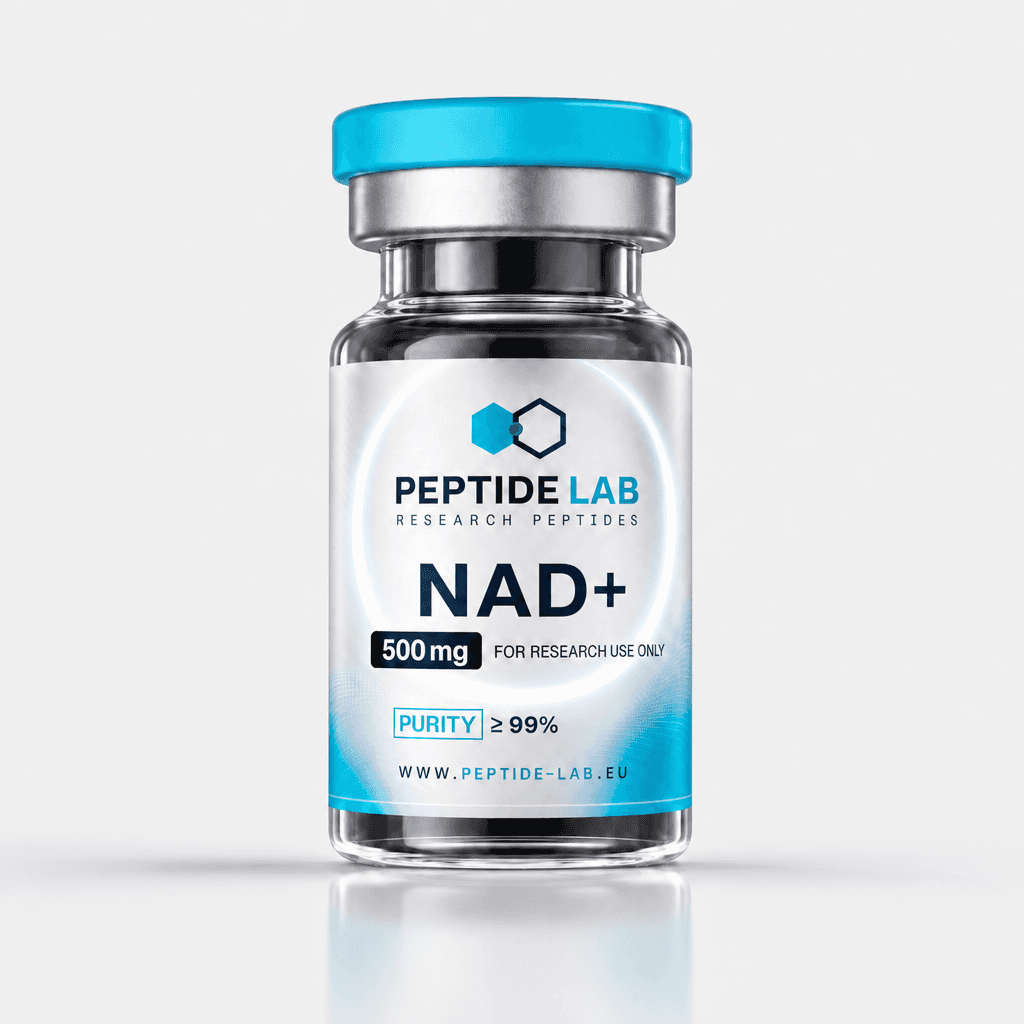
NAD+
Buy NAD+ for research — ≥99% pure, with a Janoshik COA per batch.
NAD+ (nicotinamide adenine dinucleotide) 500 mg, studied for its role in cellular energy, mitochondrial function and longevity research. 99.4% pure.
Available to order soon
The shop will be opening soon. Leave your email address and you’ll be the first to know when orders can be placed.
Specifications
- Category
- Anti-ageing & Longevity
- Dosage
- 500 mg per vial
- Packaging
- 1 vial (500 mg)
- Purity
- 99.4%
- Molecular weight
- Zie CoA
Research focus
You can buy NAD+ from Peptide Lab as a lab-verified research compound with 99.4% purity. NAD+ (nicotinamide adenine dinucleotide) is a co-enzyme found in every cell of the body and plays a central role in energy management and cellular metabolism. Within longevity and anti-ageing research, NAD+ is one of the most extensively studied molecules; it is supplied exclusively for laboratory and research purposes.
Who is NAD+ intended for?
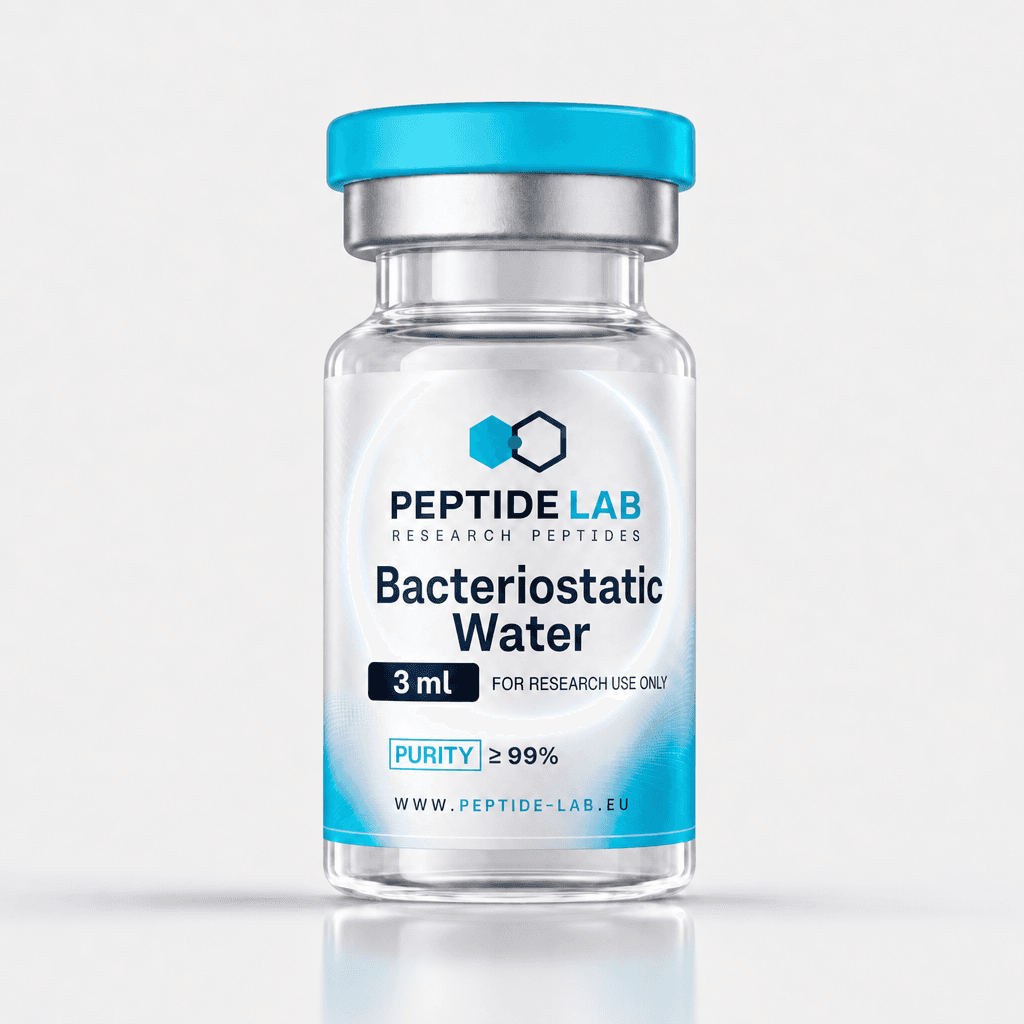
NAD+ is intended for researchers studying cellular energy processes, mitochondrial function and the mechanisms of ageing. It is supplied as a lyophilised powder, 500 mg per vial, and reconstituted with bacteriostatic water.
Why Peptide Lab?
- Verified purity of 99.4 per cent.
- Freeze-dried powder, easy to reconstitute.
- Fast, discreet EU delivery.
NAD+ is not a medicinal product and is not intended for human or animal consumption.
Why NAD+ is at the heart of longevity research
The co-enzyme is involved in hundreds of metabolic reactions and acts as a fuel for enzymes that regulate cell maintenance and ageing. Precisely because its cellular levels decline with age, the molecule is a recurring topic in ageing research. Its high purity of 99.4% makes it suitable for controlled experiments.
Specifications at a glance
- Form: freeze-dried powder
- Packaging: 500 mg per vial
- Purity: 99.4%
- Laboratory certificate: available on request
- For laboratory and research purposes only
Price, contents and delivery
The price of NAD+ is €72 per vial — that is 500 mg per vial, which works out at €0.14 per mg. This price includes the batch-specific Janoshik certificate, linked to the lot number on the label, so you can trace exactly what you have.
- Price per vial
- €72
- Price per mg
- €0.14
- Contents
- 500 mg per vial
- Availability
- In stock
Delivery within the EU
Postage costs €9.95 and is free for orders of €150 or more. A parcel is usually delivered within 1–3 working days, discreetly and with a tracking code. The countries and rates are listed in the delivery policy.
Order online
Online ordering isn’t available yet — the shop will open soon. Enter your email address above, and you’ll be the first to know when NAD+ is available to order. In the meantime, take a look at the full range in the shop.
Frequently Asked Questions
Is NAD+ a peptide?
No, NAD+ is a co-enzyme (dinucleotide). In our shop, it is listed under ‘Anti-ageing & Longevity’ as a research compound.
What is purity?
99.4%; please consult the CoA for batch details.
What is NAD+ being researched for?
Particularly with regard to mitochondrial energy, sirtuin activity and longevity mechanisms in a laboratory setting.
How much does NAD+ cost?
The current price of NAD+ is shown at the top of this page, including the price per mg so you can compare fairly. Bundles increase the discount, and shipping is free above €150.
Is NAD+ legal to buy in the Netherlands?
NAD+ is supplied strictly for laboratory and research purposes — not as a medicine and not for human or animal consumption. Within that research-only framework it is available in the Netherlands. This is general information, not legal advice.
Reviews
- 5,012 July 2026
High purity peptides
Great quality NAD+. Fast shipping across Europe and you can tell it's high purity. Peptide-lab.eu is my go-to now.
Jessica Taylor· BirminghamVerified purchase - 5,026 June 2026
High purity peptides
great quality nad+. fast shipping across europe and you can tell it's high purity. peptide-lab.eu is my go-to now.
Ava Martinez· GlasgowVerified purchase - 5,05 June 2026
High purity peptides
Great quality NAD+ Fast shipping acorss Europe and you can tell it's high purity Peptide-labeu is my go-to now
Amelia Johnson· BirminghamVerified purchase - 5,06 July 2026
Werkt uitstekend!
Werkt uitstekend. Heb vaker NAD+ besteld bij andere shops, maar peptide lab levert veruit de beste kwaliteit.
Joris de Jong· UtrechtVerified purchase - 5,028 June 2026
Werkt uitstekend!
Werkt uitstekend. Heb vaker NAD+ besteld bij andere shops, maar peptide lab levert veruit de beste kwaliteit.
Eva van den Berg· AntwerpenVerified purchase - 4,01 June 2026
Top kwaliteit
Kwaliteit van NAD+ is heel goed, alleen jammer dat de voorraad soms snel op is. Verder echt de beste lab tested peptides.
Joris Meijer· AlmereVerified purchase - 5,014 May 2026
Sehr gute Reinheit
Sehr gute Reinheit bei dem NAD+. Definitiv einer der besten Peptide Shops in Europa.
Lukas Hartmann· CologneVerified purchase - 5,05 May 2026
Super Kundenservice
Peptide-lab.eu hat den besten Kundenservice. NAD+ funktioniert hervorargend. Best peptides europe.
Maximilian Schröder· ViennaVerified purchase
Often bought together
Related products
Further reading on this research
FOR RESEARCH USE ONLY. For laboratory and research purposes only. Not for human or animal consumption; not a medicine and does not constitute medical advice.