This batch has been independently tested by Janoshik Analytical for identity and purity (HPLC/MS). The full certificate of analysis is available for public inspection.
- Batch
- JAN-157311
- Purity
- 99%+
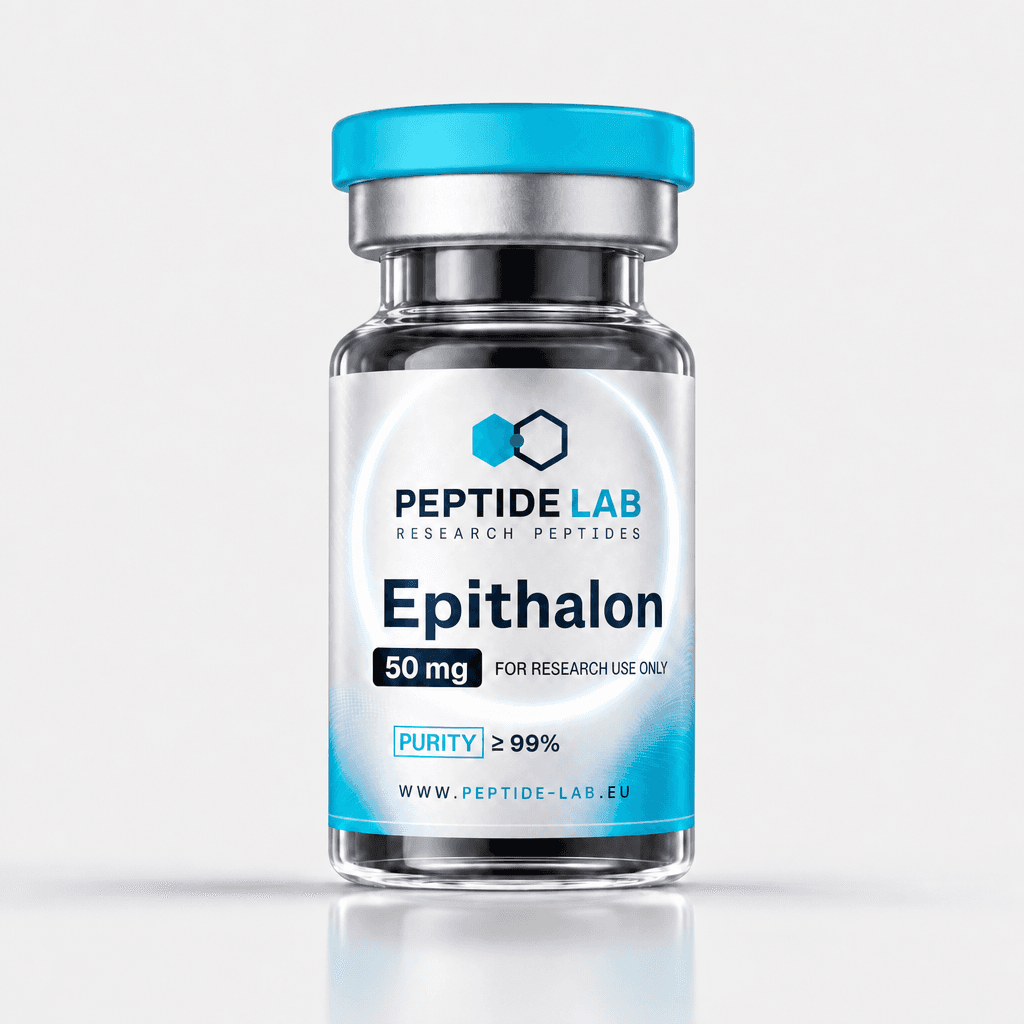
Epithalon (Epitalon)
Buy Epithalon (Epitalon) for research — ≥99% pure, with a Janoshik COA per batch.
Epithalon (Epitalon) is a tetrapeptide being studied for its effects on telomerase activation, pineal gland function and cellular longevity. 50 mg, 99.3% pure, with a laboratory certificate.
Available to order soon
The shop will be opening soon. Leave your email address and you’ll be the first to know when orders can be placed.
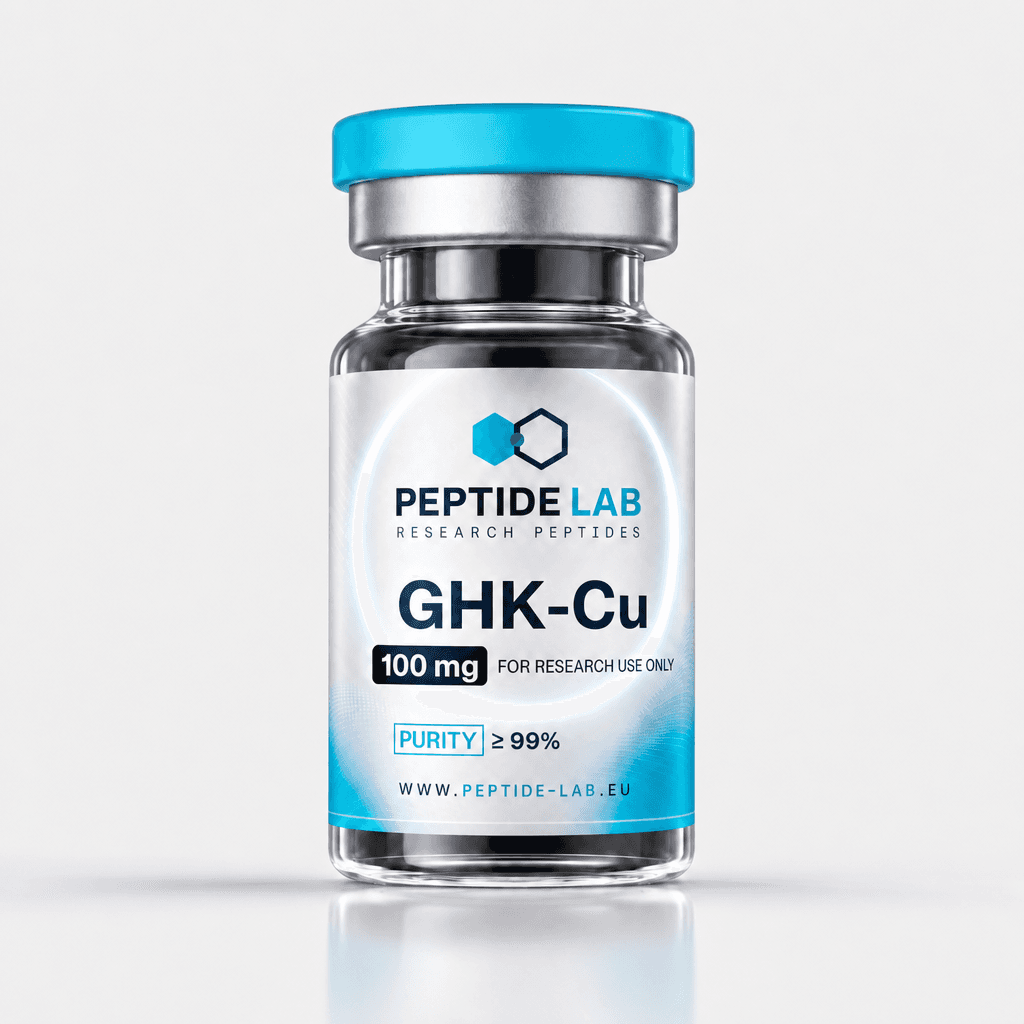
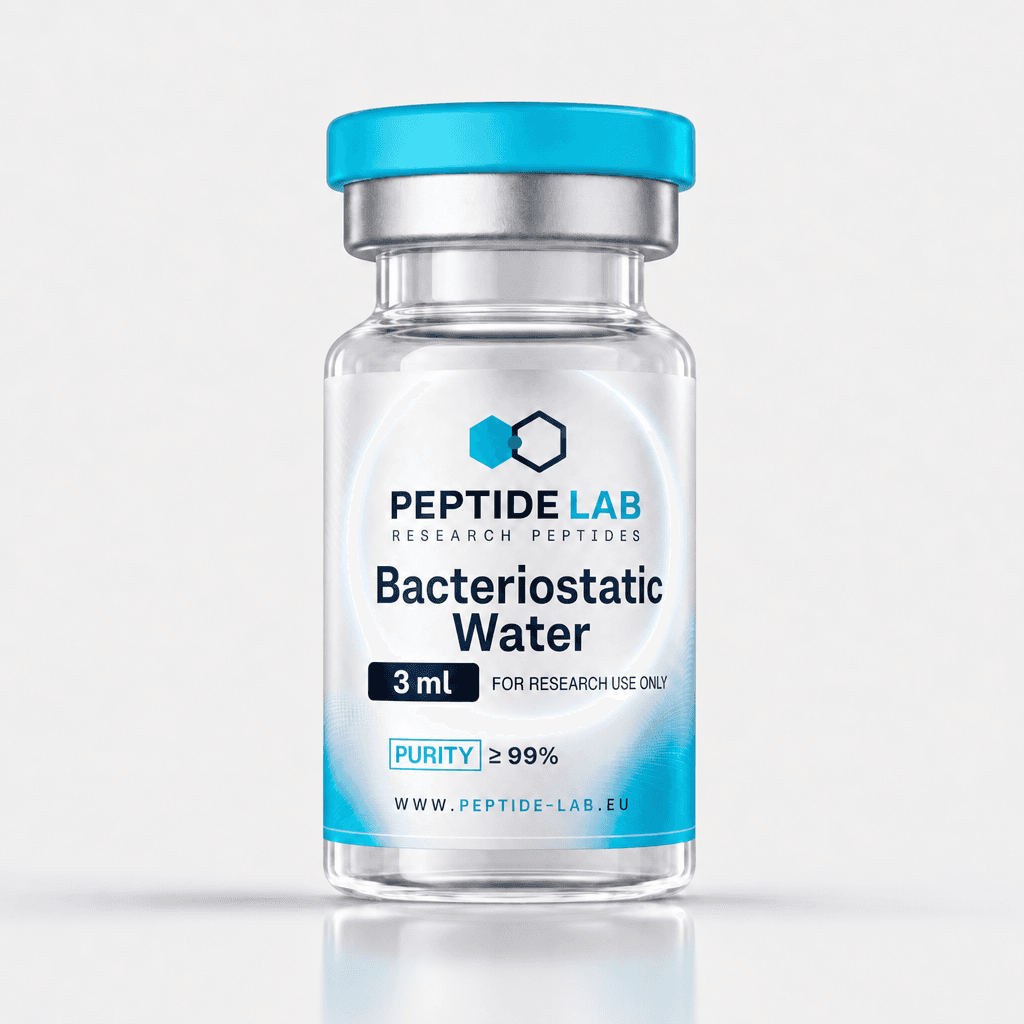
Bundle discount: up to 15% discount on the complete stack with GHK-Cu (Copper Peptide), Bacteriostatic water (3 ml).
Specifications
- Category
- Anti-ageing & Longevity
- Dosage
- 50 mg per vial
- Packaging
- 1 vial (50 mg)
- Purity
- 99.3%
- Molecular weight
- 390.35 g/mol
- Lab-cert ID
- JAN-2024-EPITH-0389
Research focus
You can buy Epithalon from Peptide Lab as a lab-verified research peptide with 99.3% purity and a Janoshik lab certificate for each batch. Epithalon (also spelled Epitalon) is a synthetic tetrapeptide — a chain of four amino acids — which is attracting a great deal of attention in longevity and ageing research. It is supplied as a lyophilised powder, 50 mg per vial.
Who is Epithalon intended for?
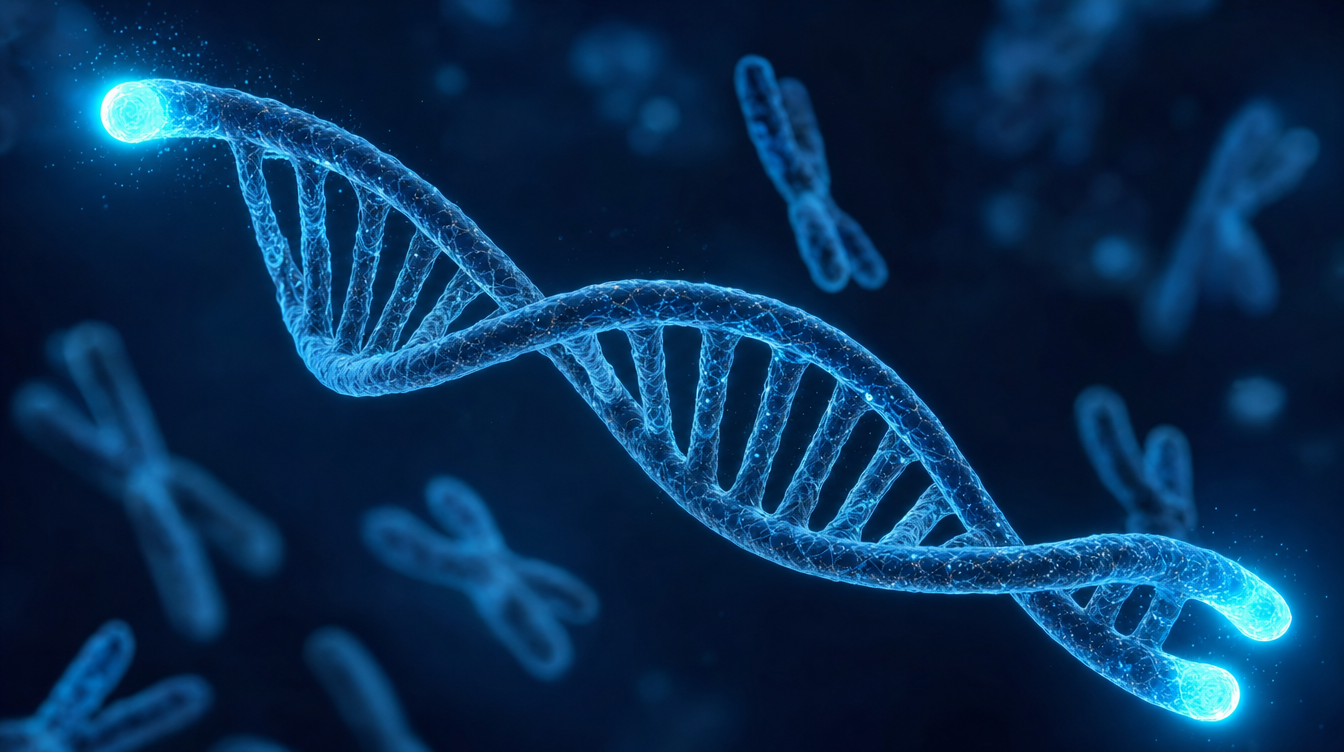
Epithalon is intended for researchers and laboratories studying cellular ageing, telomeres and neuroendocrine regulation. Related compounds can be found under GHK-Cu and NAD+; see also the Anti-ageing & longevity category.
Why Peptide Lab?
- Verified purity of 99.3% by HPLC and mass spectrometry.
- Public Certificate of Analysis per batch (JAN-2024-EPITH-0389).
- Lyophilised powder, 50 mg per vial.
- Fast, discreet EU delivery.
Epithalon is not a medicinal product and is not intended for human or animal consumption.
Specifications at a glance
- Form: freeze-dried powder
- Packaging: 50 mg per vial
- Purity: 99.3%
- Molecular weight: 390.35 g/mol
- Laboratory certificate: JAN-2024-EPITH-0389
- For laboratory and research purposes only
Price, contents and delivery
The price of Epithalon (Epitalon) is €98 per vial — that is 50 mg per vial, which works out at €1.96 per mg. This price includes the batch-specific Janoshik certificate, linked to the lot number on the label, so you can trace exactly what you have.
- Price per vial
- €98
- Price per mg
- €1.96
- Contents
- 50 mg per vial
- Availability
- In stock
Delivery within the EU
Postage costs €9.95 and is free for orders of €150 or more. A parcel is usually delivered within 1–3 working days, discreetly and with a tracking code. The countries and rates are listed in the delivery policy.
Order online
Online ordering isn’t available yet — the shop will open soon. Enter your email address above, and you’ll be the first to know when Epithalon (Epitalon) is available to order. In the meantime, take a look at the full range in the shop.
Frequently Asked Questions
Why is Epithalon unique in longevity research?
It is one of the few peptides that research has linked to telomerase activation in human somatic cells — a key mechanism of cellular ageing.
Epithalon or Epitalon?
These are different spellings of the same tetrapeptide (AEDG).
Purity?
99.3% via Janoshik, with a certificate.
How much does Epithalon (Epitalon) cost?
The current price of Epithalon (Epitalon) is shown at the top of this page, including the price per mg so you can compare fairly. Bundles increase the discount, and shipping is free above €150.
Is Epithalon (Epitalon) legal to buy in the Netherlands?
Epithalon (Epitalon) is supplied strictly for laboratory and research purposes — not as a medicine and not for human or animal consumption. Within that research-only framework it is available in the Netherlands. This is general information, not legal advice.
Reviews
- 5,01 June 2026
Best peptides Europe
Best peptides europe, hands down. The Epithalon (Epitalon) works perfectly. Will buy again from peptide-lab.eu.
Jacob Ramirez· DublinVerified purchaseResponse from Peptide Lab
Thank you for the review! We're glad you're satisfied with your order.
- 5,07 May 2026
Highly recommend
highly recommend this peptide lab. the epithalon (epitalon) is excellent quality and customer service is very responsive.
David Miller· DublinVerified purchase - 5,030 June 2026
Lab tested en zuiver
Zeer tevreden over de Epithalon (Epitalon). Het is duidelijk lab tested en van hoge zuiverheid. Aanrader voor best peptides europe.
Mohammed Brouwer· BredaVerified purchase - 4,02 June 2026
Prima
Prima Epithalon (Epitalon). Verpakking mocht van mij nog iets steviger, maar de purity is werkelijk uitstekend.
Rick de Graaf· BredaVerified purchaseResponse from Peptide Lab
Bedankt voor je review! Fijn dat je tevreden bent met peptide-lab.eu.
- 5,02 June 2026
Zeer snelle levering
De Epithalon (Epitalon) van peptide-lab.eu is echt top. Kwaliteit is zoals beloofd en snelle levering!
Julia Brouwer· GentVerified purchase - 5,031 May 2026
Ongeëvenaarde service
Heel erg blij met Epithalon (Epitalon). De service van peptide-lab is ongeëvenaard. Ze reageren snel op vragen en verzenden direct.
Maaike Scholten· AntwerpenVerified purchase - 5,024 May 2026
Lab tested
Bin sehr zufrieden mit Epithalon (Epitalon). Lab tested und das merkt man. Werde wieder bei peptide-lab bestellen!
Marie Schneider· CologneVerified purchase - 5,023 April 2026
Sehr gute Reinheit
Sehr gute Reinheit bei dem Epithalon (Epitalon). Definitiv einer der besten Peptide Shops in Europa.
Andreas Bauer· StuttgartVerified purchaseResponse from Peptide Lab
Vielen Dank für Ihre Bewertung! Wir freuen uns, dass Sie zufrieden sind.
Often bought together
Related products
Further reading on this research
FOR RESEARCH USE ONLY. For laboratory and research purposes only. Not for human or animal consumption; not a medicine and does not constitute medical advice.