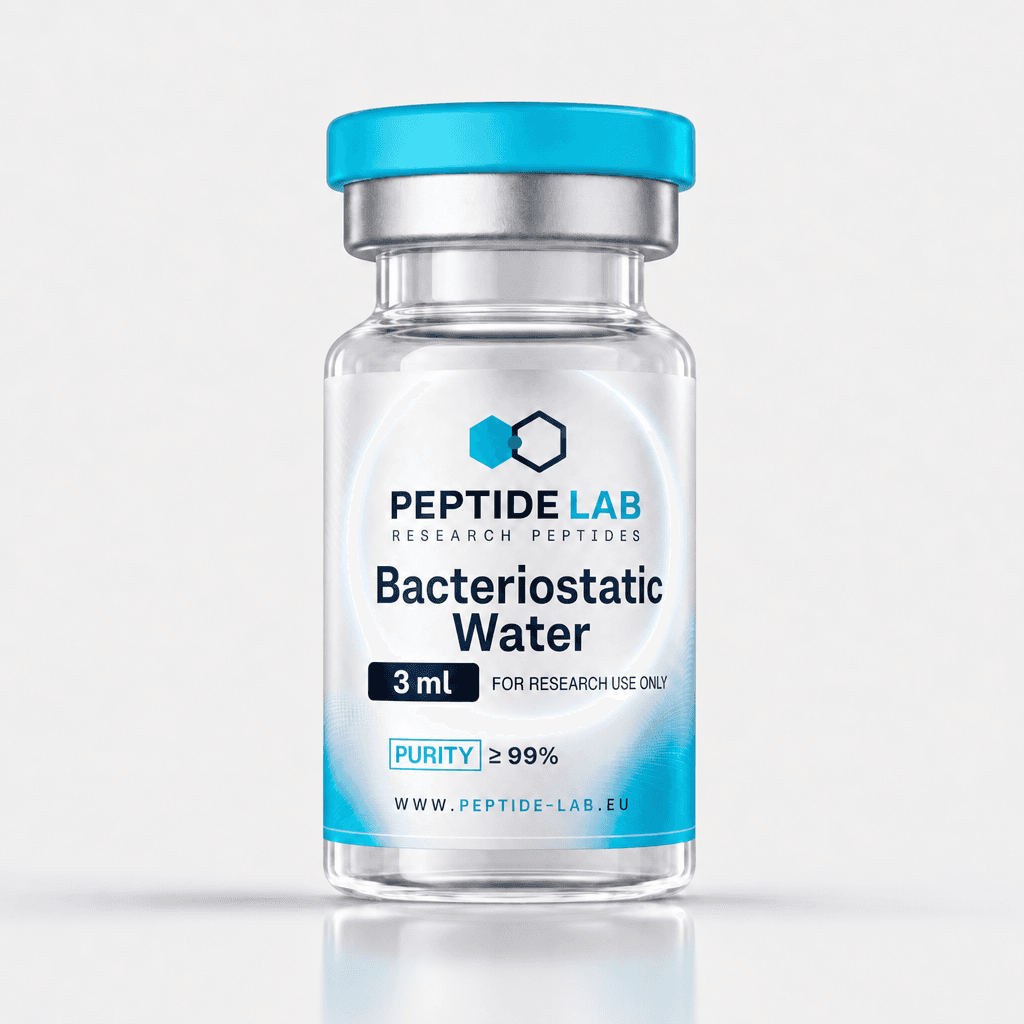
Bacteriostatic water (3 ml)
Buy Bacteriostatic water (3 ml) for research — ≥99% pure, with a Janoshik COA per batch.
USP bacteriostatic water containing 0.9% benzyl alcohol (3 ml) for the safe reconstitution of lyophilised research peptides. Can be used multiple times after the first puncture.
Available to order soon
The shop will be opening soon. Leave your email address and you’ll be the first to know when orders can be placed.
Specifications
- Category
- Lab & Accessories
- Dosage
- 3 ml per vial
- Packaging
- 1 vial (3 ml)
- Purity
- USP Grade
- Molecular weight
- N/A
- Lab-cert ID
- USP-BAC-WATER-2024
Research focus
You can buy bacteriostatic water from Peptide Lab as an essential solvent for reconstituting lyophilised research peptides. Bacteriostatic water is sterile water containing 0.9% benzyl alcohol; this small percentage inhibits the growth of bacteria, meaning that an opened vial remains usable for longer than with ordinary sterile water. It is indispensable in any laboratory setup working with powdered peptides.
What do you use bac water for?
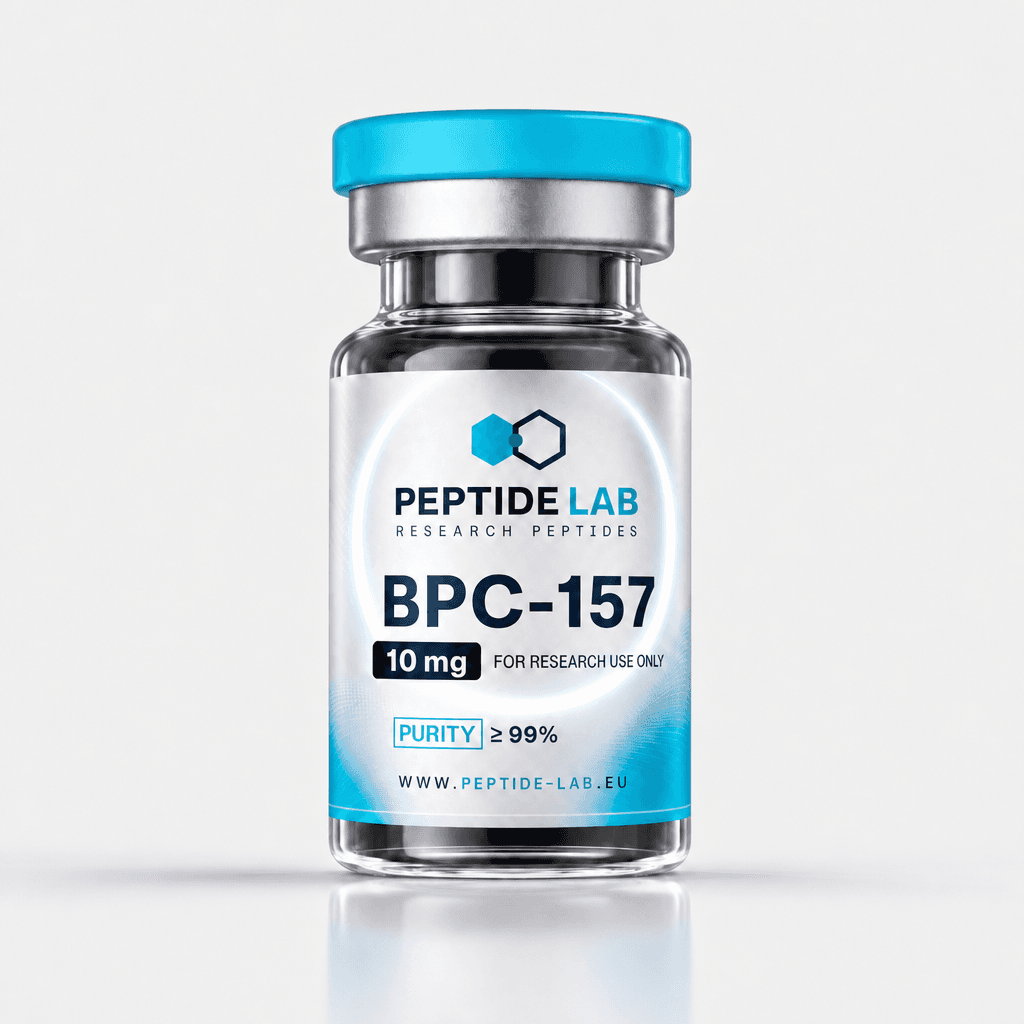
Bac water (the common abbreviation) is used to dissolve peptides such as BPC-157, TB-500 and GHK-Cu into a clear solution for research purposes. Thanks to its bacteriostatic properties, the same vial can be used over several days within a controlled environment.
Why Peptide Lab?
- USP-grade quality, 3 ml per vial.
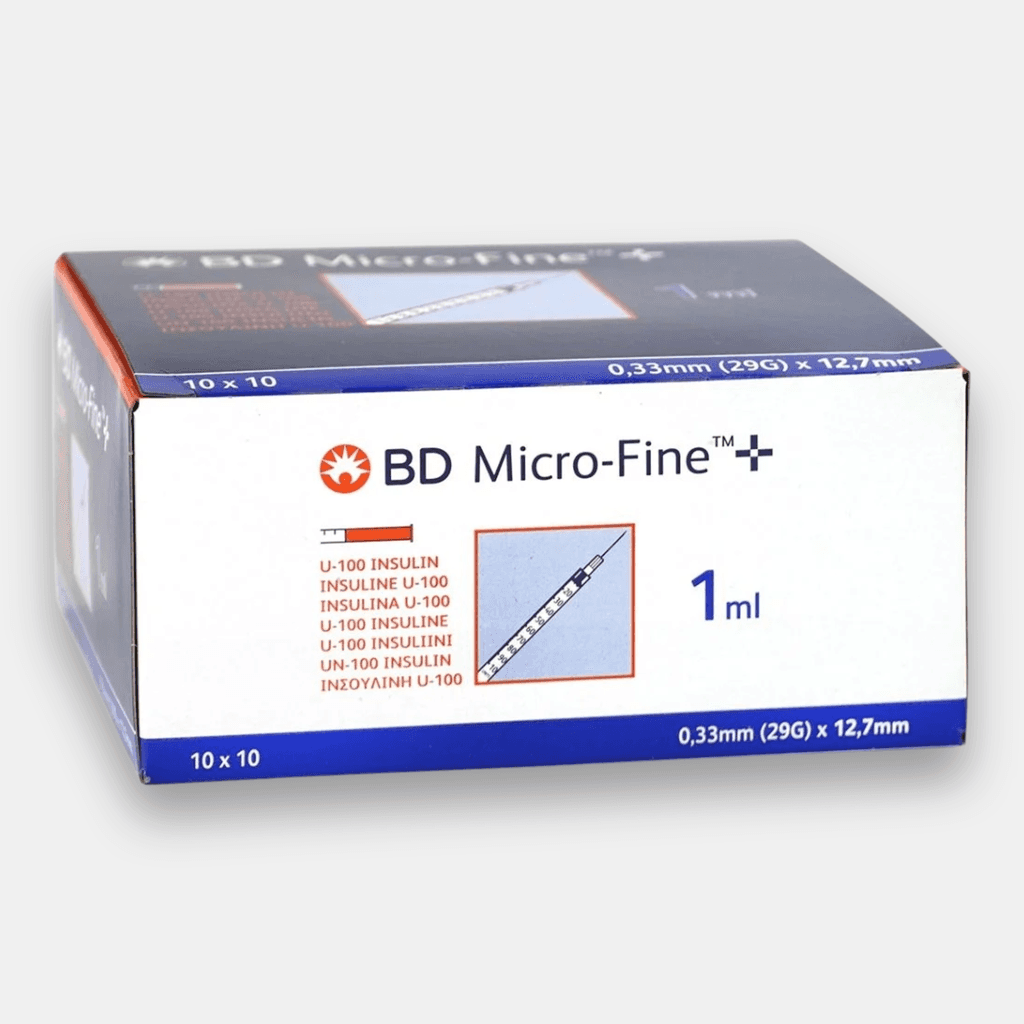
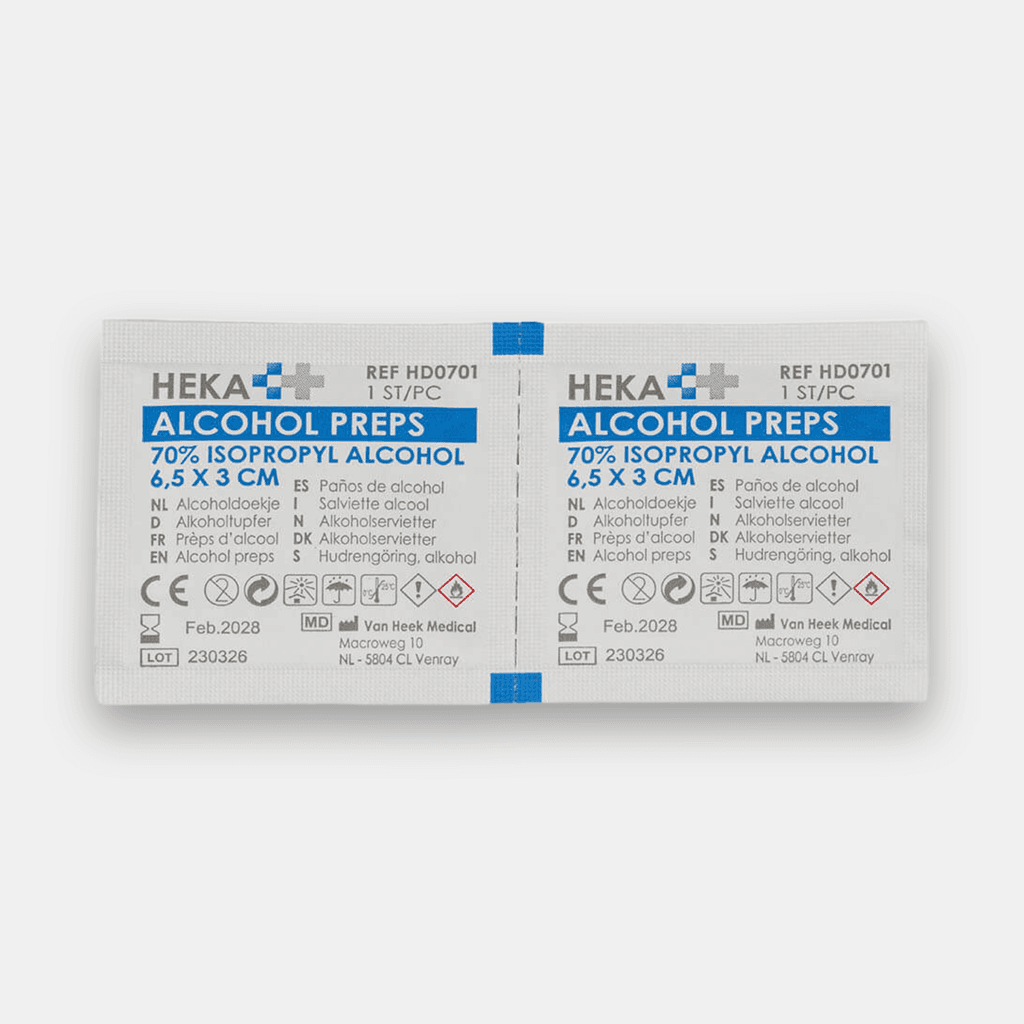
- Ideal for use with our insulin syringes and alcohol wipes.
- Fast, discreet EU delivery.
Intended solely for laboratory and research purposes.
Why BAC water is indispensable
Without a suitable solvent, a lyophilised peptide cannot be used in research. Bacteriostatic water is the standard choice because it allows a partially used vial to be reused. This means you can use the same peptide over several days of research without having to open a new vial each time.

Price, contents and delivery
The price of Bacteriostatic water (3 ml) is €9 per vial — that is 3 ml per vial, which works out at — per mg. This price includes the batch-specific Janoshik certificate, linked to the lot number on the label, so you can trace exactly what you have.
- Price per vial
- €9
- Contents
- 3 ml per vial
- Availability
- In stock
Delivery within the EU
Postage costs €9.95 and is free for orders of €150 or more. A parcel is usually delivered within 1–3 working days, discreetly and with a tracking code. The countries and rates are listed in the delivery policy.
Order online
Online ordering isn’t available yet — the shop will open soon. Enter your email address above, and you’ll be the first to know when Bacteriostatic water (3 ml) is available to order. In the meantime, take a look at the full range in the shop.
Frequently Asked Questions
How much bacteriostatic water do I need per peptide?
Usually 1–2 ml per vial; follow the reconstitution instructions for each peptide.
Do the prices include or exclude VAT?
Shop prices are exclusive of VAT, unless otherwise stated.
How long does water that has been opened remain usable?
The benzyl alcohol allows for repeated use; please observe the expiry date stated on the label.
How much does Bacteriostatic water (3 ml) cost?
The current price of Bacteriostatic water (3 ml) is shown at the top of this page, including the price per mg so you can compare fairly. Bundles increase the discount, and shipping is free above €150.
Is Bacteriostatic water (3 ml) legal to buy in the Netherlands?
Bacteriostatic water (3 ml) is supplied strictly for laboratory and research purposes — not as a medicine and not for human or animal consumption. Within that research-only framework it is available in the Netherlands. This is general information, not legal advice.
Reviews
- 5,028 June 2026
Fast delivery
Ordered Bacteriostatisch water (3 ml) from peptide lab and it arrived within 3 days. Superb packaging and perfect quality.
Olivia Wilson· LondonVerified purchase - 5,010 June 2026
Best peptides Europe
Best peptides europe, hands down. The Bacteriostatisch water (3 ml) works perfectly. Will buy again from peptide-lab.eu.
Linda Sanchez· BelfastVerified purchaseResponse from Peptide Lab
Thank you for the review! We're glad you're satisfied with your order.
- 5,05 April 2026
Fast delivery
Ordered Bacteriostatisch water (3 ml) from peptide lab and it arrived within 3 adys. Superb packaging and perfect quality.
Amelia Gonzalez· LiverpoolVerified purchase - 5,011 July 2026
Sehr gute Reinheit
Sehr gute Reinheit bei dem Bacteriostatisch water (3 ml) Definitiv einer der besten Peptide Shops in Europa
David Schmitt· MunichVerified purchase - 5,08 July 2026
Netjes verpakt
Snel binnen, netjes verpakt. Bacteriostatisch water (3 ml) doet precies wat het moet doen. De webshop peptide-lab.eu is super overzichtelijk en betrouwbaar.
Peter van Leeuwen· GentVerified purchaseResponse from Peptide Lab
Bedankt voor je review! Fijn dat je tevreden bent met peptide-lab.eu.
- 5,05 May 2026
Werkt uitstekend!
Werkt uitstekend. Heb vaker Bacteriostatisch water (3 ml) besteld bij andere shops, maar peptide lab levert veruit de beste kwaliteit.
Julia Visser· GroningenVerified purchase - 5,030 April 2026
Lab tested en zuiver
Zeer tevreden over de Bacteriotsatisch water (3 ml). Het is duidelijk lab tested en van hoge zuiverheid. Aanrader voor best peptides europe.
Willem van der Heijden· BredaVerified purchase - 5,025 April 2026
Zeer snelle levering
De Bacteriostatisch water (3 ml) van peptide-labeu is echt top Kwaliteit is zoals beloofd en snelle levering!
Willem Scholten· NijmegenVerified purchase
Often bought together
Related products
Further reading on this research
FOR RESEARCH USE ONLY. For laboratory and research purposes only. Not for human or animal consumption; not a medicine and does not constitute medical advice.