Alongside recovery, skin and metabolism, there is a category of peptides that targets perhaps the most complex organ: the brain. Under the heading ‘nootropic peptides’, a group of short peptides is studied that research links to cognition, memory, focus and the stress response. In this guide we explain what nootropic peptides are, how they differ from classic nootropics, which compounds are examined most and what to watch for. All strictly research-only, without cognitive or health claims.
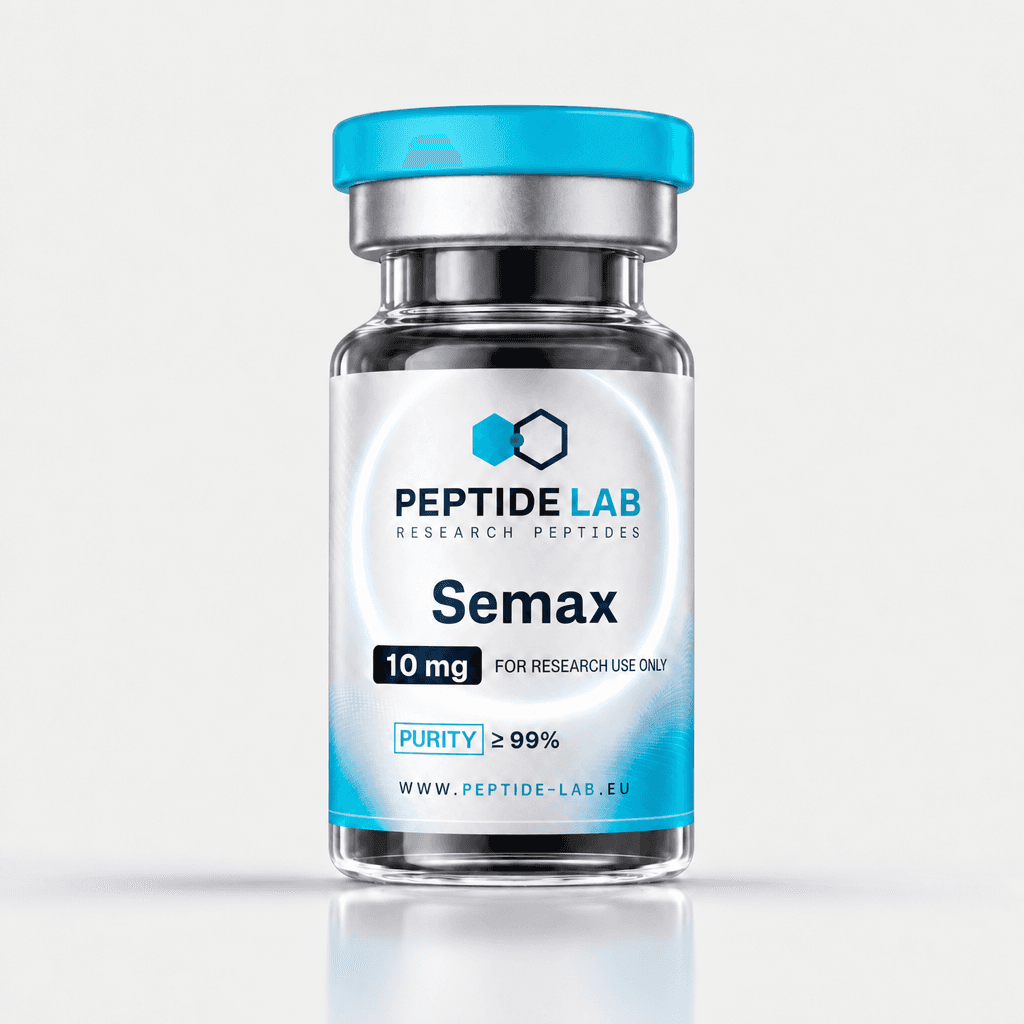
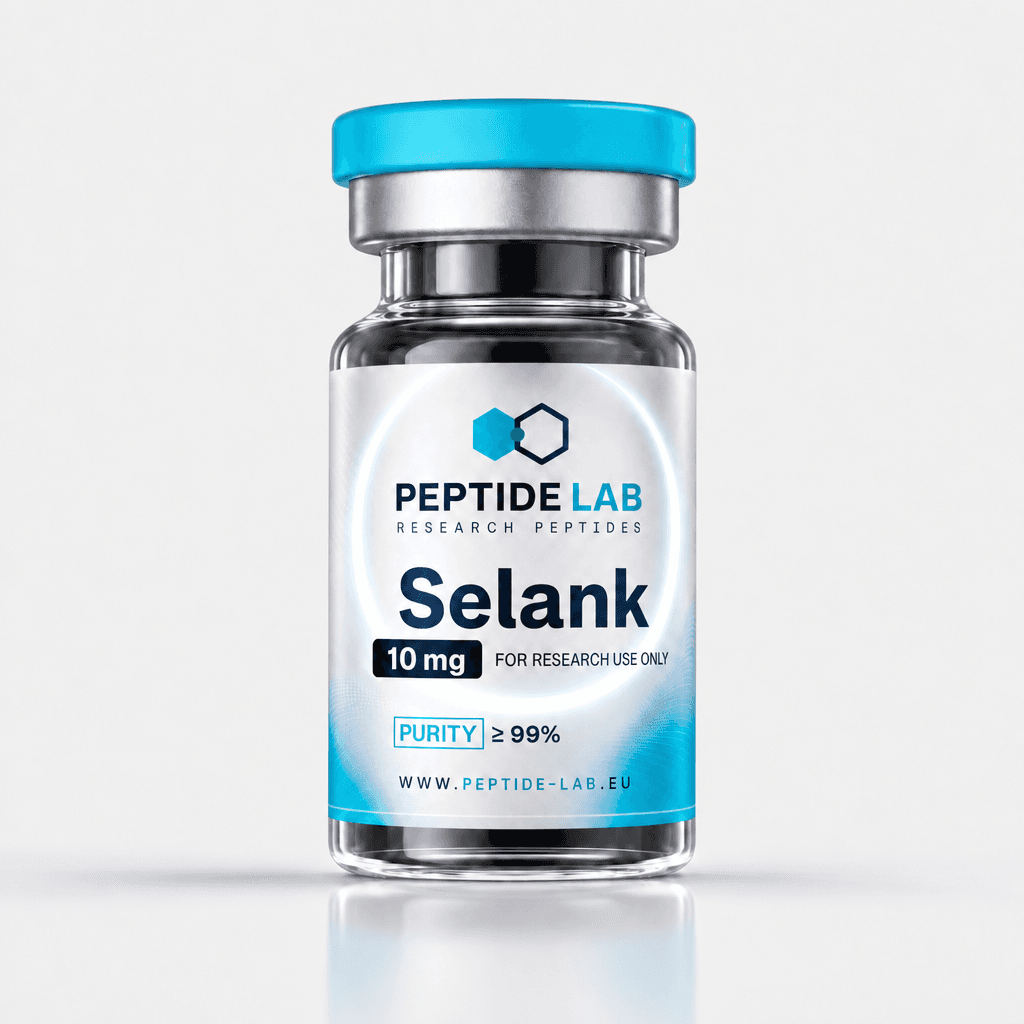
Nootropic peptides are short peptides studied in research in relation to cognition, focus and the stress and anxiety response. The two most studied are Semax (derived from ACTH) and Selank (derived from tuftsin). Both at Peptide Lab for research only — not a medicine, not a cognitive treatment.
What are nootropic peptides?
Nootropic peptides is a practical umbrella term for short peptides that research links to brain function. They do not ‘make anyone smarter’ by themselves; they are studied for their influence on processes linked to cognition, attention and mood. To understand the rest of this guide it helps to know what peptides are: short chains of amino acids that can act as signalling molecules. It is precisely that signalling function that makes them interesting for neuroscience research, which is all about steering signalling routes in the nervous system.
How do they differ from classic nootropics?
Classic nootropics are often small, orally absorbable molecules; nootropic peptides are peptide structures that are usually studied differently. Where a substance like caffeine or a racetam has a widely known usage profile, peptides such as Semax and Selank sit much more in the research sphere. They are derived from the body’s own molecules — a hormone fragment and an immune peptide respectively — and are studied for relatively specific mechanisms. That makes them scientifically interesting, but also means the knowledge about them comes mainly from preclinical and early clinical research.
Semax: derived from the ACTH hormone
Semax is a synthetic peptide derived from a fragment of the ACTH hormone that research mainly links to cognition, attention and neuroprotection. In preclinical research it is associated with factors related to neuronal plasticity, such as BDNF (brain-derived neurotrophic factor). The full background, structure and research status is in what is Semax.
Selank: derived from the immune peptide tuftsin
Selank is a synthetic analogue of the body’s own immune peptide tuftsin and is studied in research more often in relation to the stress and anxiety response. Where Semax is closer to cognition and focus, the research emphasis for Selank lies more on mood and stress regulation — although there is overlap. The background is in what is Selank.
Semax versus Selank: which for which research?
The choice between Semax and Selank follows from the research question, not from a ranking of ‘strength’. If a study is about attention, memory or neuroprotection, Semax aligns more closely with that. If it is about the stress or anxiety response, Selank is the more logical research subject. The full side-by-side comparison is in Semax vs Selank. In some research designs both are examined together, precisely because they act on different mechanisms.
The role of sleep: where cognition and recovery meet
Cognition is not separate from sleep — and that is where a compound like DSIP touches the cognition field. DSIP (delta sleep-inducing peptide) is studied in relation to sleep quality and the stress response, and because sleep plays a fundamental role in memory consolidation and focus, there is a natural overlap with cognition research. More on this in what is DSIP. It shows that the division into categories is practical, but that the underlying biology is deeply interconnected.
Mechanisms: what do nootropic peptides target?
Nootropic peptides are linked in research to a range of mechanisms — from neurotrophic factors to the regulation of neurotransmitters. Think of BDNF expression, modulation of the serotonergic and GABAergic systems, and neuroprotective effects against oxidative stress. Precisely because each peptide acts on different routes, there is no ‘best’ nootropic peptide: the right choice depends on which mechanism a researcher wants to study. New to how peptides work? Read what peptides do.
Purity, documentation and reconstitution
In neuroscience research, reliability stands or falls with the quality of the material. With every purchase, check the Certificate of Analysis with the measured purity (ideally ≥99%) and the batch number — read how to read a COA and view the public certificates per lot number. Semax and Selank are supplied as a lyophilised powder; calculate the reconstitution ratio with the reconstitution calculator. Browse the full cognition & focus category.
Research versus hype
Few topics attract as many exaggerated claims as ‘brain-boosting’ agents — which is precisely why sobriety is essential here. Much of what circulates online about nootropic peptides mixes preclinical observations with anecdotes into one big story about cognitive superpowers. Scientifically responsible research acknowledges what is not yet known: long-term effects, optimal research doses and the translatability of models to humans are still open questions for these compounds. Anyone working with them does well to weigh claims critically and go back to the original literature.
This guide is for information and a research context only. The mentioned compounds at Peptide Lab are intended for laboratory and research purposes — not a medicine, not a cognitive or mood treatment, not for human or animal consumption and not medical advice. No efficacy or health claims for human use are made.
Frequently asked questions about nootropic peptides
What are nootropic peptides?
Nootropic peptides is an umbrella term for short peptides studied in research in relation to cognition, memory, focus and the stress and anxiety response. The best-known examples are Semax and Selank. These are research materials, not a cognitive treatment.
What is the difference between Semax and Selank?
Semax is derived from a fragment of the ACTH hormone and is mainly examined in cognition and focus research. Selank is derived from the immune peptide tuftsin and appears more often in stress and anxiety research. They act on different mechanisms.
Do nootropic peptides really work?
No effects for human use are claimed here. Preclinical research observes interesting mechanisms, but these cannot simply be translated to humans. Peptide Lab supplies these compounds as research material only.
Are these peptides pure at Peptide Lab?
Yes. Semax is lab-verified at 99.4% purity and Selank at 99.1%, with a public COA per batch. For laboratory and research purposes only.
How are nootropic peptides supplied?
Usually as a lyophilised powder that must be reconstituted with bacteriostatic water before use in a research setup. Calculate the ratio with the reconstitution calculator.