BPC-157 vs GHK-Cu vs TB-500: the three recovery peptides
Anyone digging into recovery research keeps meeting the same three names: BPC-157, GHK-Cu and TB-500. They are often lumped together, but their origin and focus differ considerably. Below all three sit side by side.
| Property | BPC-157 | GHK-Cu (Copper Peptide) | TB-500 (Thymosin Beta-4) |
|---|---|---|---|
| Origin | Fragment of a gastro-protective protein made by the body | The tripeptide GHK with a bound copper ion | Synthetic fragment of Thymosin Beta-4 |
| Peptide type | Pentadecapeptide (15 amino acids) | Tripeptide (3 amino acids) + Cu | Peptide fragment |
| Research field | Tissue and recovery processes, gastrointestinal tract | Skin and ageing research | Actin regulation and cell migration |
| Distinguishing feature | Most studied recovery peptide | Contains a copper ion | Targets a structural protein |
| Purity | ≥99% (HPLC + MS, Janoshik COA per batch) | ≥99% (HPLC + MS, Janoshik COA per batch) | ≥99% (HPLC + MS, Janoshik COA per batch) |
| Molecular weight | 1419.53 g/mol | 403.93 g/mol | 4963.50 g/mol |
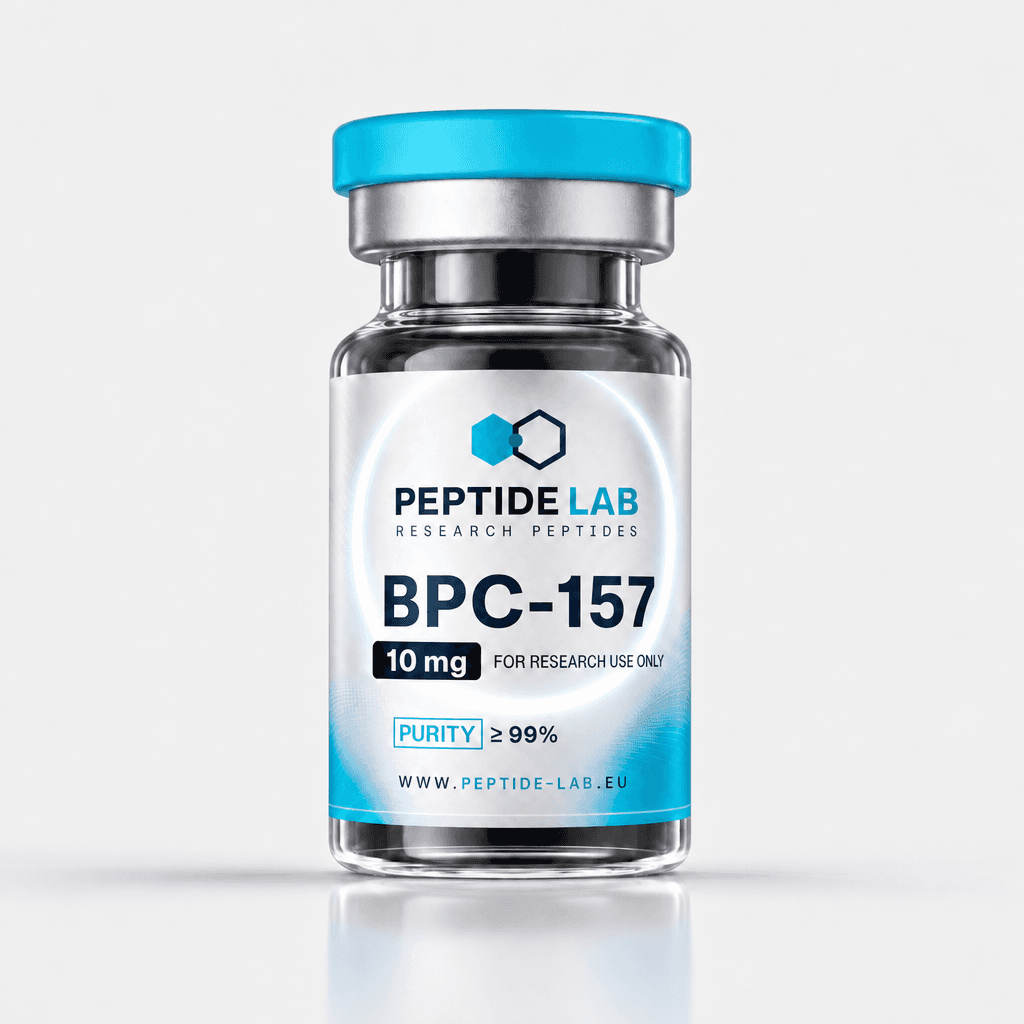
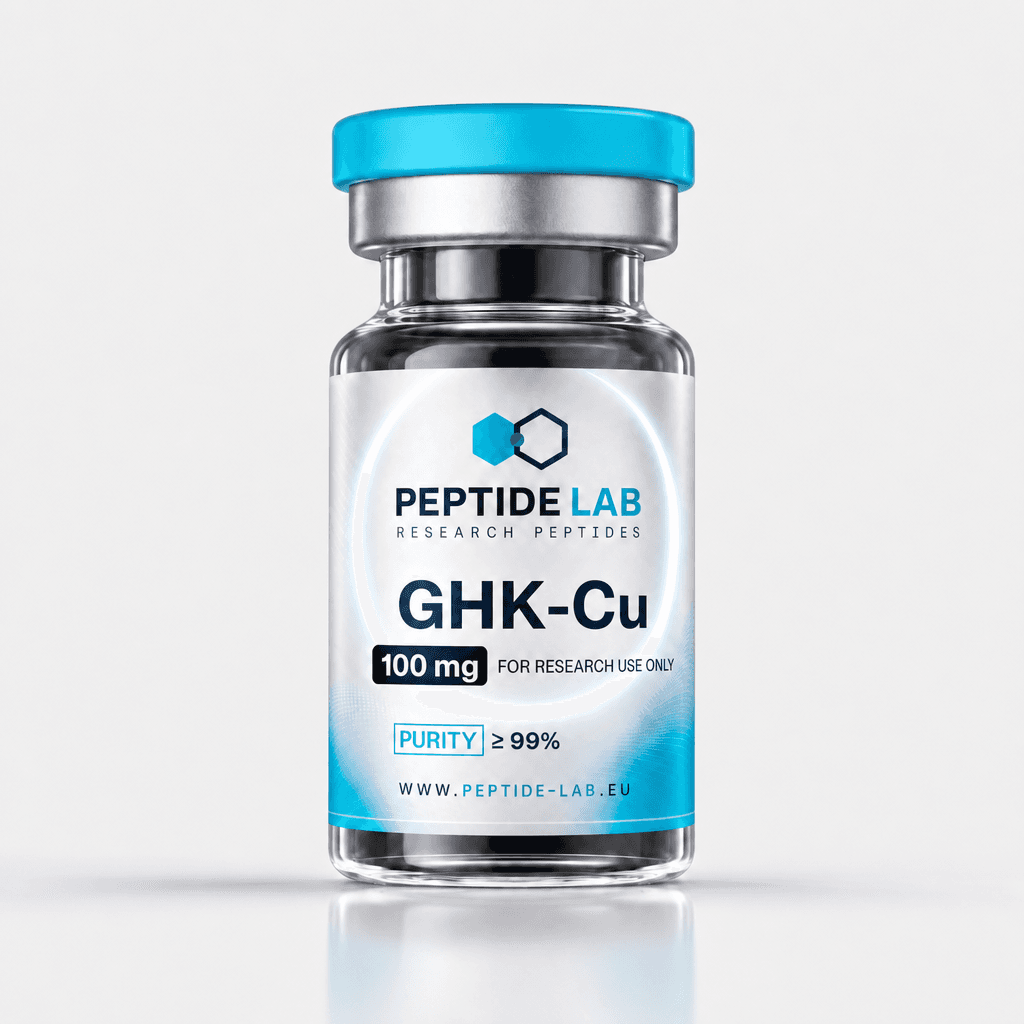
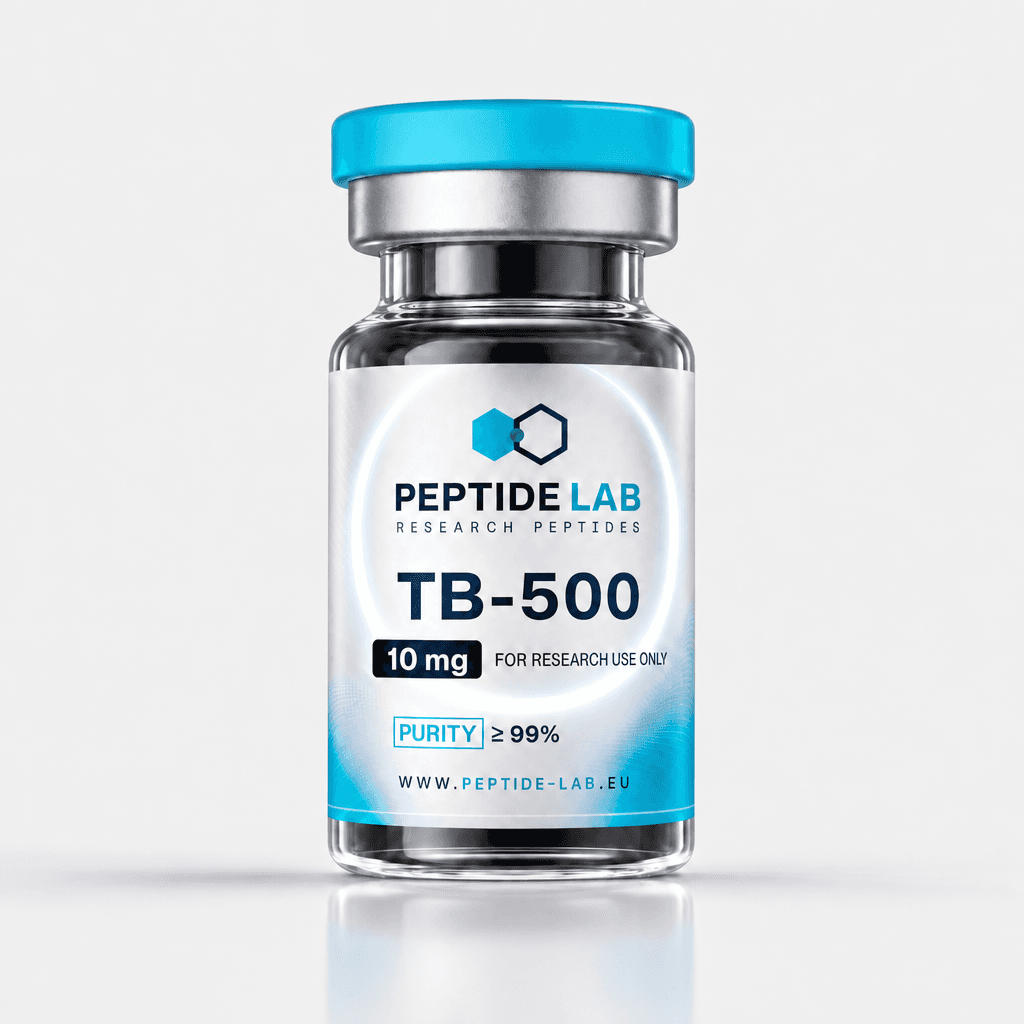
| Vial strength | 10 mg per vial | 100 mg per vial | 10 mg per vial |
Three different routes into the same field
All three appear in recovery research, but along their own route: BPC-157 from a gastro-protective protein, GHK-Cu as a copper peptide in skin research and TB-500 as a fragment of Thymosin Beta-4. They are therefore not alternatives to one another but separate objects of study.
They also differ widely in size: with three amino acids GHK-Cu is the smallest molecule, TB-500 the largest. Read the pillar guide peptides for recovery for the full overview.
Which combination appears in research?
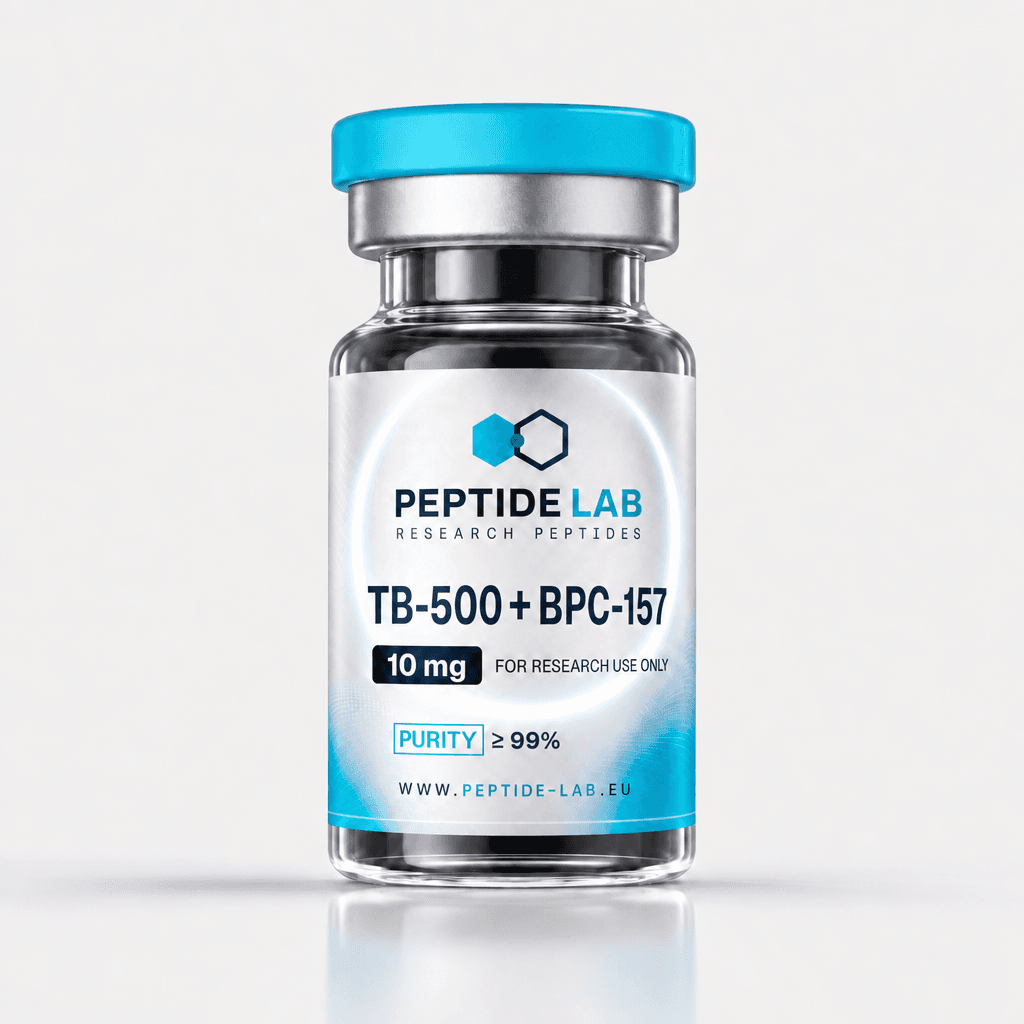
BPC-157 and TB-500 are regularly studied as a blend; GHK-Cu is usually looked at separately because its research field differs. The blend holds both peptides in one vial, where the stated amount is the total.
Dig into the individual molecules: BPC-157, TB-500 and GHK-Cu. Or compare two of them: BPC-157 vs TB-500.
Frequently Asked Questions
What is the difference between BPC-157, GHK-Cu and TB-500?
BPC-157 is a pentadecapeptide derived from a gastro-protective protein, GHK-Cu is a tripeptide with a bound copper ion from skin and ageing research, and TB-500 is a synthetic fragment of Thymosin Beta-4 around actin regulation. Three different origins and research fields.
Which of the three is the smallest molecule?
GHK-Cu. It consists of just three amino acids (glycyl-L-histidyl-L-lysine) plus a copper ion, against fifteen amino acids for BPC-157 and a larger fragment for TB-500.
Are they combined in research?
BPC-157 and TB-500 are regularly studied as a combination and are also available as a single blend. GHK-Cu is usually studied separately because its research field differs.
FOR RESEARCH USE ONLY. For laboratory and research purposes only. Not for human or animal consumption; not a medicine and does not constitute medical advice.