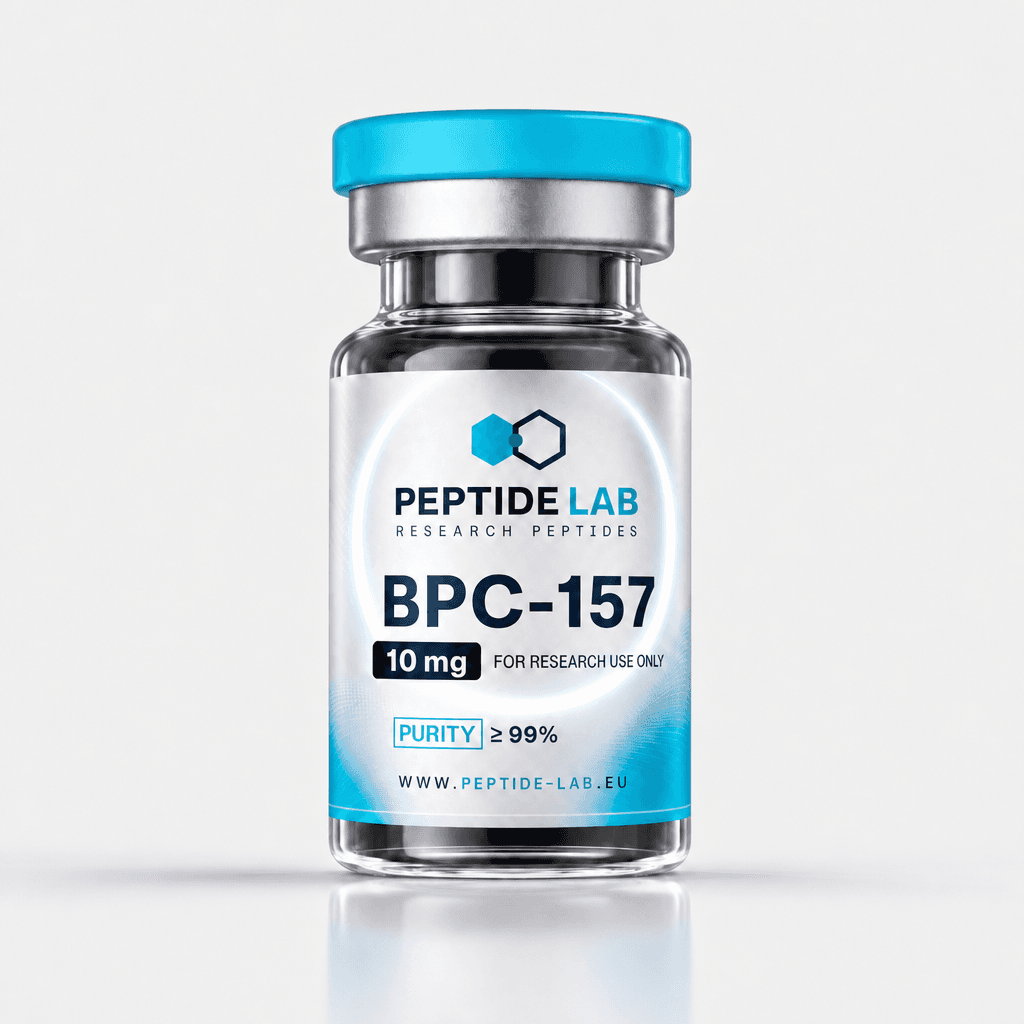
BPC-157 is by far one of the most searched and most studied research peptides. Yet a great deal of simplified or inaccurate information circulates online. In this guide we explain, with sources and research-only, exactly what BPC-157 is, where it comes from and within which research themes it is studied.
BPC-157 (Body Protection Compound-157) is a synthetic pentadecapeptide of 15 amino acids, derived from a fragment of a gastroprotective protein. In preclinical research it is studied for tissue and gastrointestinal processes. At Peptide Lab every batch is lab-verified at ≥99% purity with a Janoshik COA. For research purposes only.
What is BPC-157?
BPC-157 is a synthetic pentadecapeptide — a chain of 15 amino acids — with a molecular weight of approximately 1419.53 g/mol. The sequence is derived from a fragment of an endogenous protein that plays a role in protecting the gastric mucosa. Because BPC-157 is relatively stable, it lends itself well to synthesis and analysis — one of the reasons it appears so often in research.
Want the broader context first? Then read our explainer on what peptides are and the overarching guide to peptides for recovery.
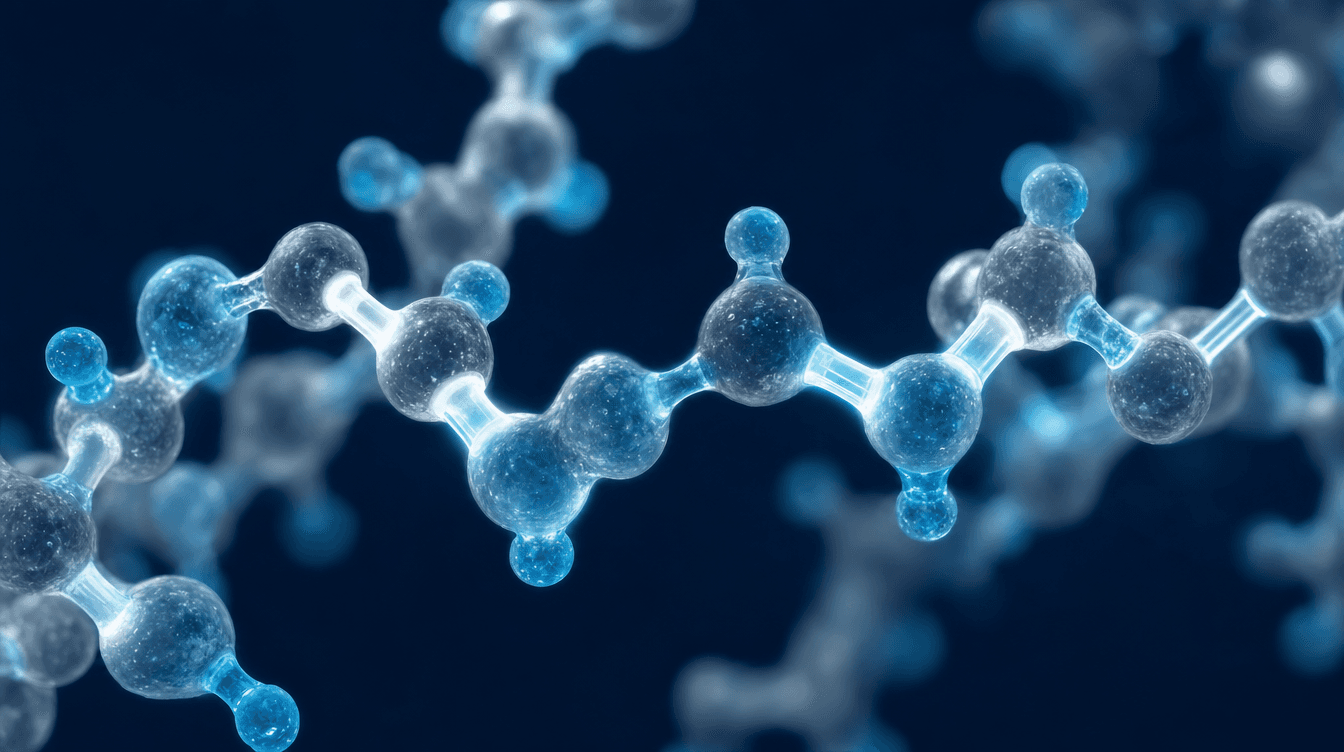
What does BPC-157 stand for?
The name BPC-157 stands for “Body Protection Compound”, followed by the number 157 that refers to the specific sequence. The compound was identified on the basis of a protective protein that occurs naturally in gastric juice. In the scientific literature, BPC-157 is therefore regularly described as a stable, synthetic fragment of that endogenous protein.
What is BPC-157 studied for in research?
In preclinical research, BPC-157 is studied among other things in relation to tissue, tendon, joint and gastrointestinal processes. It is important to emphasise that this concerns research. BPC-157 is not a medicine and no therapeutic claims are attached to it. Scientific interest focuses, among other things, on:
- Tissue and tendons: research into processes around tissue structure and repair.
- Gastrointestinal system: studies connected to the peptide’s origin in the gastric mucosa.
- Blood-vessel formation: research that looks, among other things, at angiogenesis-related mechanisms.
These themes come from preclinical, mostly animal studies. Results from such research are not translatable to human use and are mentioned here for information purposes only.
All research themes mentioned originate from preclinical research. Peptide Lab supplies BPC-157 exclusively for laboratory and research purposes. Not for human or animal consumption, not a medicine and not medical advice.
BPC-157 versus TB-500
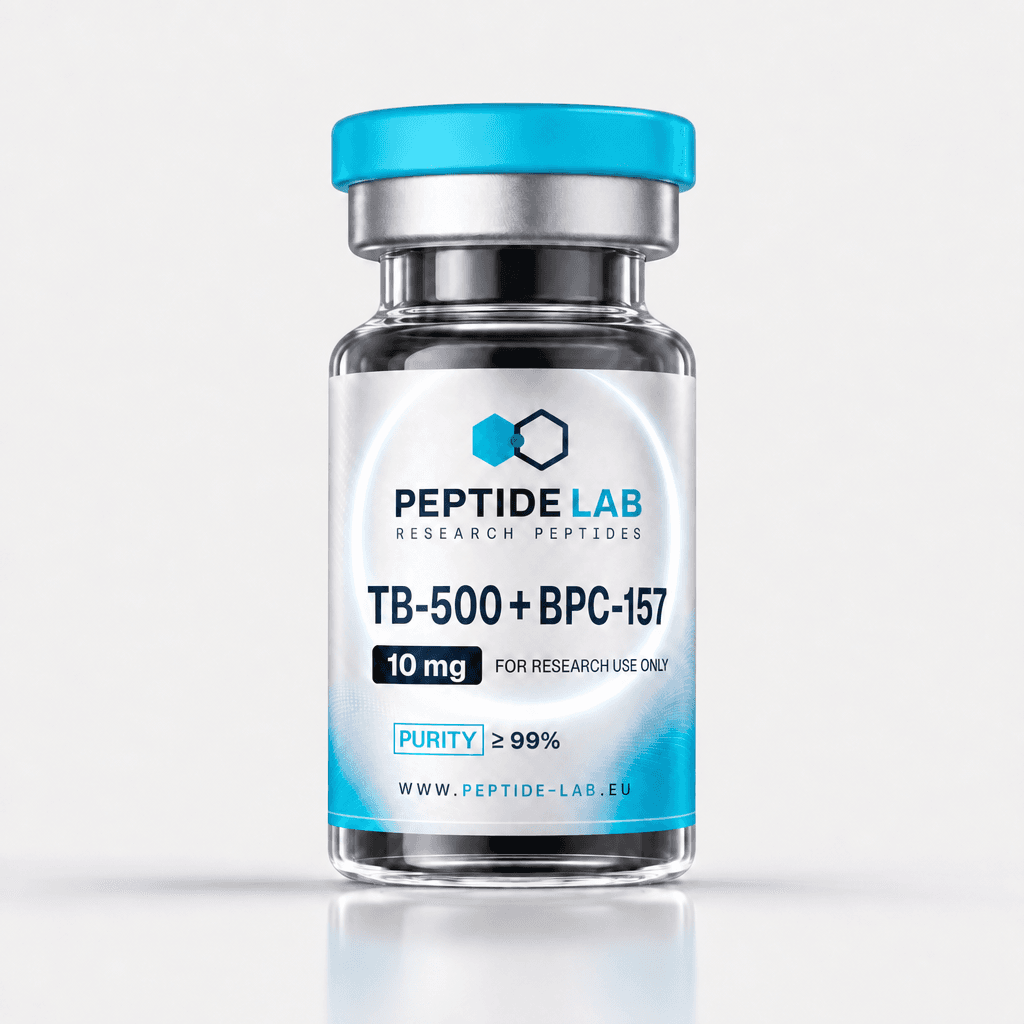
BPC-157 and TB-500 are two different research peptides that are regularly mentioned together in recovery research, but are studied via different mechanisms. BPC-157 is a pentadecapeptide derived from a gastroprotective protein; TB-500 is a fragment of Thymosin Beta-4 that is studied for actin regulation and cell migration. In the recovery guide we compare them in more detail, including GHK-Cu.
Because they act via different routes, they are sometimes combined in study setups. For this Peptide Lab offers a BPC-157 & TB-500 blend.
How do you recognise quality BPC-157?
You recognise quality BPC-157 by its verified purity (≥99%) and a public, batch-specific Certificate of Analysis. Purity is determined by HPLC and confirmed by mass spectrometry. At Peptide Lab we have every batch independently tested by Janoshik Analytical and we link the certificate to the lot number on the label. See the public lab certificates for a concrete example.
Want to know more about what to look out for when purchasing for research? Read our separate guide on buying BPC-157: purity and COA, or go straight to the BPC-157 product page.
In what form is BPC-157 supplied?
BPC-157 is supplied as a lyophilised (freeze-dried) powder in a vial, which is reconstituted in the lab with bacteriostatic water. Reconstitution is a standard laboratory procedure; we describe the method step by step in the recovery guide. You will find the supplies at Lab & accessories.
Browse the full range in the Recovery & healing category.
Frequently asked questions about BPC-157
What is BPC-157 in short?
BPC-157 (Body Protection Compound-157) is a synthetic pentadecapeptide of 15 amino acids. The sequence is derived from a fragment of an endogenous, gastroprotective protein. It is one of the most studied research peptides within recovery research and is offered exclusively for research purposes.
What does the abbreviation BPC-157 stand for?
BPC stands for Body Protection Compound. The number 157 refers to the specific peptide sequence. BPC-157 is a stable fragment that is straightforward to synthesise and characterise in laboratory research.
How many amino acids does BPC-157 have?
BPC-157 consists of 15 amino acids and is therefore called a pentadecapeptide. Its molecular weight is approximately 1419.53 g/mol.
What is BPC-157 studied for in research?
In preclinical research, BPC-157 is studied among other things in relation to tissue, tendon and gastrointestinal processes. This concerns scientific research only; no therapeutic or health claims are attached to it.
What is the difference between BPC-157 and TB-500?
Both are research peptides that appear in recovery research, but they act through different mechanisms. BPC-157 is a pentadecapeptide derived from a gastroprotective protein; TB-500 is a fragment of Thymosin Beta-4 that is studied for actin regulation.
Sources & further reading
Independent third-party references — for further reading, not an endorsement or partnership.
- Dr. William Seeds, MD — Peptide Protocols — Medical references on peptides in cellular medicine (SSRP Institute)