Within peptide research, recovery is one of the most studied themes. Peptides such as BPC-157, TB-500 and GHK-Cu recur consistently in the scientific literature on tissue, tendons, joints and the gastrointestinal system. In this guide we explain clearly and with sources what recovery peptides are, how they relate to one another and how to recognise purity and quality — strictly within a research framework.
Recovery peptides are research peptides studied in relation to tissue and repair processes. The three best-known are BPC-157 (pentadecapeptide), TB-500 (Thymosin Beta-4 fragment) and GHK-Cu (copper peptide). At Peptide Lab every batch is lab-verified at ≥99% purity with a Janoshik COA. For research purposes only.
What are recovery peptides?
Recovery peptides are research peptides studied in scientific research in relation to tissue, tendon, joint and gut processes. They are synthetically produced peptides used exclusively for laboratory and research purposes. They fall within the broader category of research peptides — read our explanation of what peptides exactly are for the biochemical background.
Within this domain, three peptides in particular are studied intensively: BPC-157, TB-500 and GHK-Cu. Below we discuss them one by one, followed by a direct comparison.
What is BPC-157?
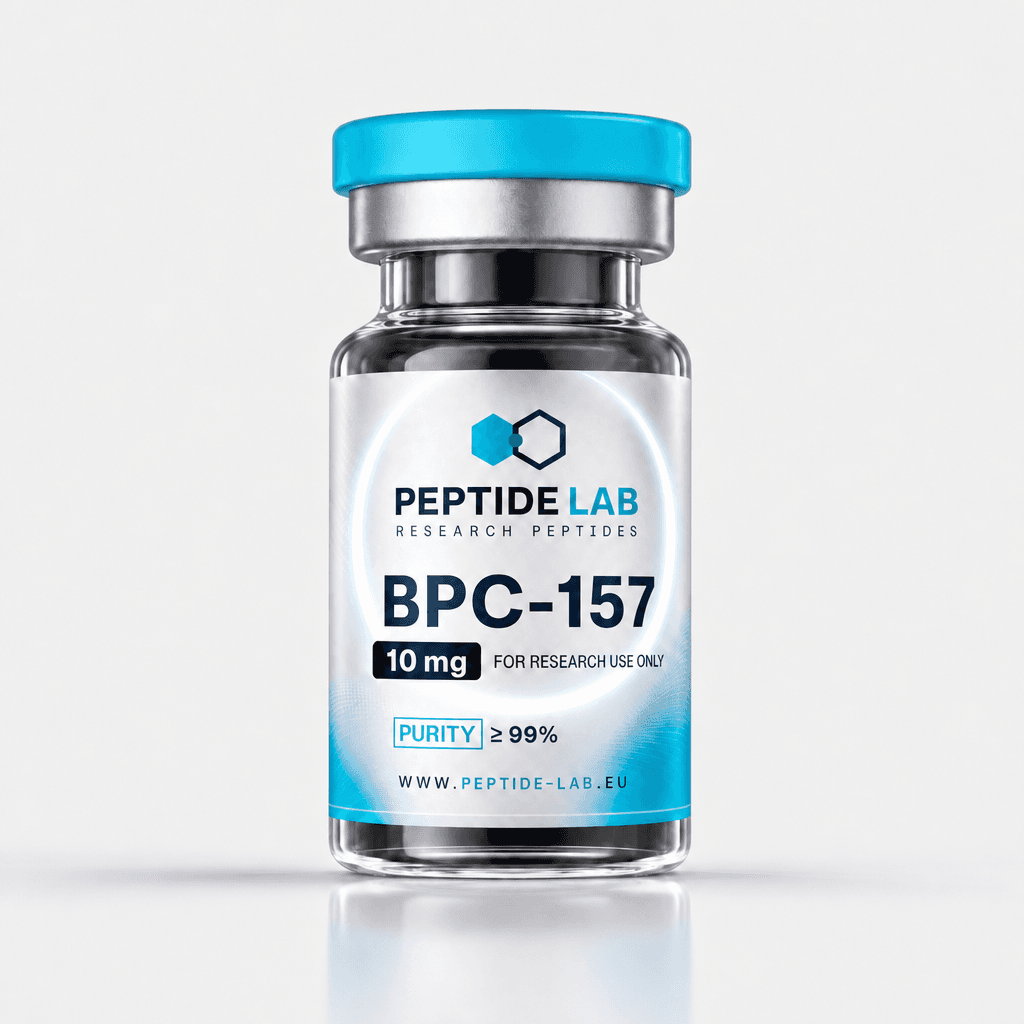
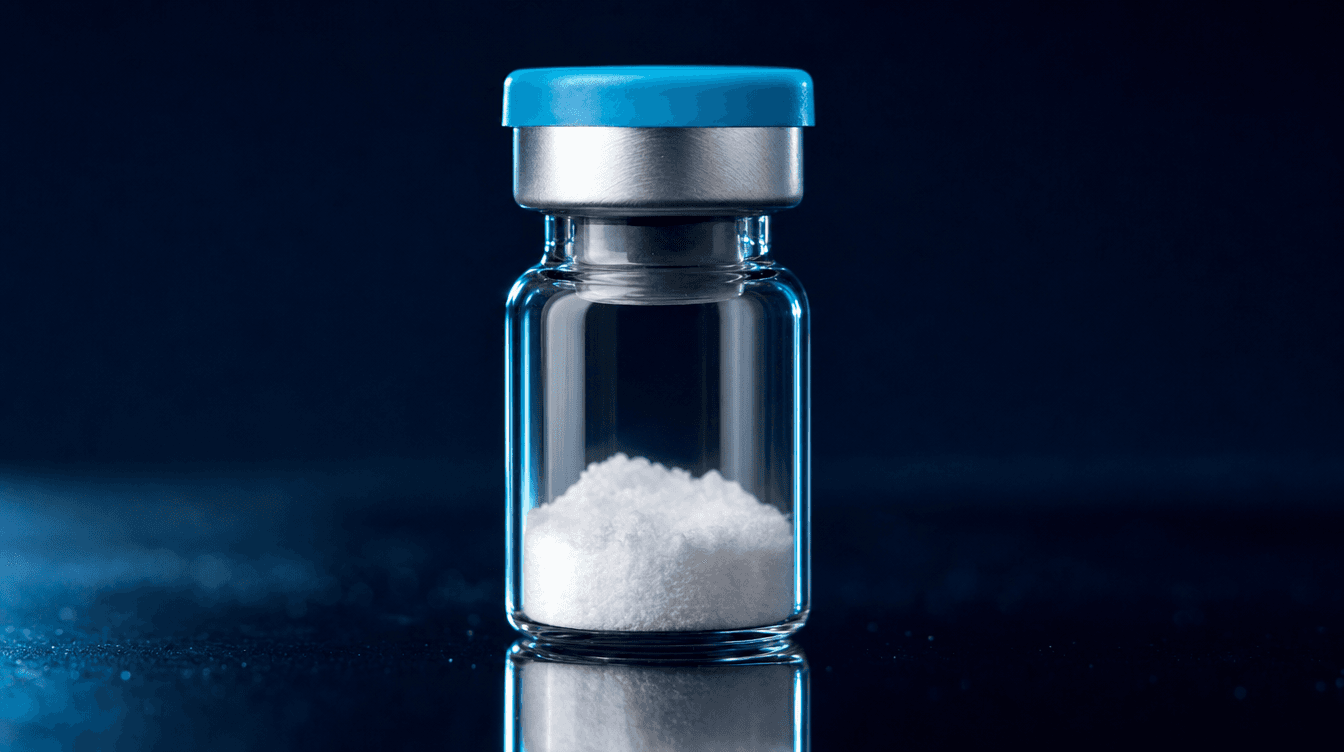
BPC-157 (Body Protection Compound-157) is a synthetic pentadecapeptide of 15 amino acids that is broadly studied in preclinical research on tissue and gastrointestinal processes. The sequence is derived from a fragment of an endogenous, gastroprotective protein. It is precisely this stability that makes BPC-157 one of the most studied research peptides within the recovery field.
In the scientific context, research focuses among other things on tendons, joints and the digestive system. It remains emphatically research: no therapeutic claims are attached to it. View the product details and the accompanying certificate on the BPC-157 product page.
What is TB-500 (Thymosin Beta-4)?
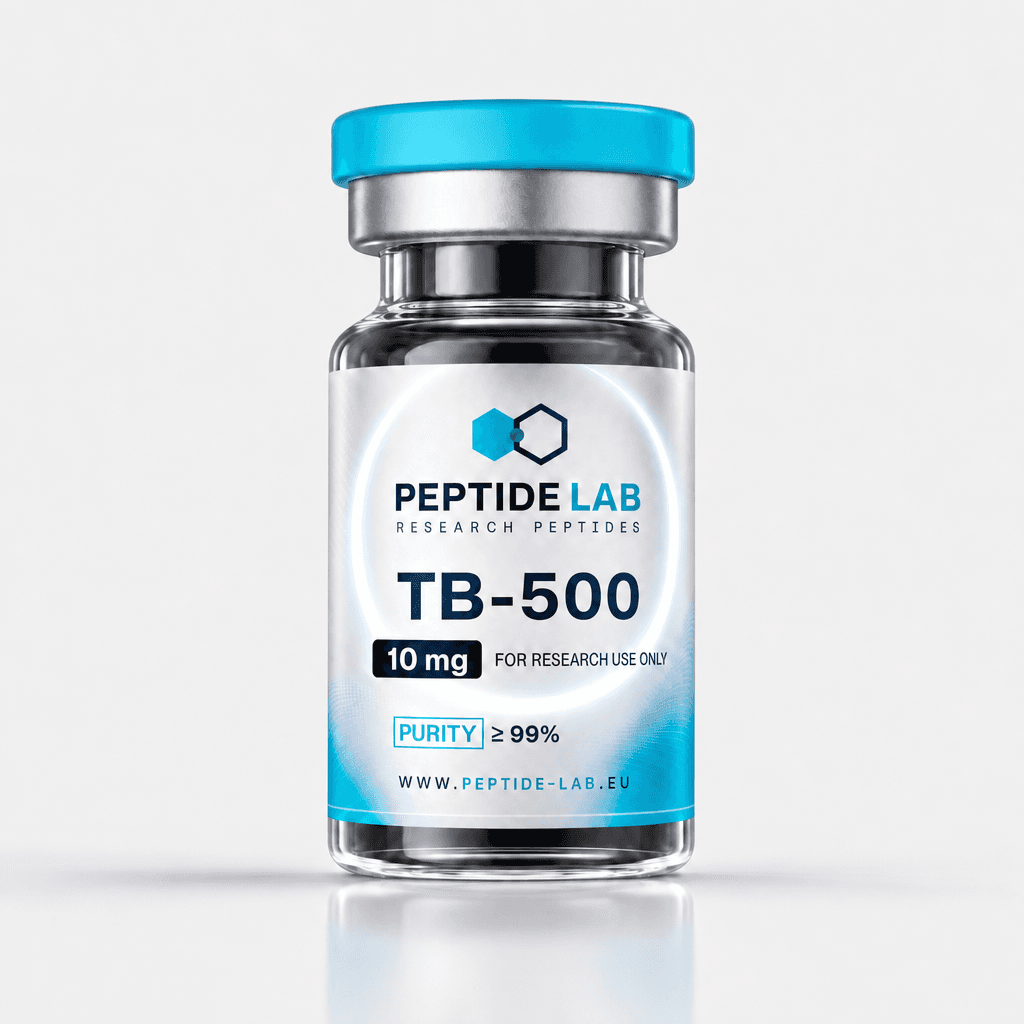
TB-500 is a synthetic fragment of Thymosin Beta-4 that is studied in research on actin regulation and cell migration. Thymosin Beta-4 is a naturally occurring peptide that plays a role in the assembly of the cytoskeleton. TB-500 is used in research to study these mechanisms more closely, often in relation to tissue processes.
TB-500 and BPC-157 regularly appear together in the literature because they act through different routes. Want to know more? See the TB-500 product page.
What is GHK-Cu (copper peptide)?
GHK-Cu is a copper-binding tripeptide (glycyl-L-histidyl-L-lysine) that is studied in research on skin, collagen and connective-tissue processes. It combines a short peptide sequence with a copper ion. In the scientific literature, GHK-Cu features in research into connective tissue and ageing, and it therefore overlaps with the longevity research domain.
The product details and the COA can be found on the GHK-Cu product page.
BPC-157, TB-500 and GHK-Cu compared
The three recovery peptides differ in structure and in the research domain in which they are studied. The table below sets out the essentials side by side. Click through for the full product details and the batch certificate.
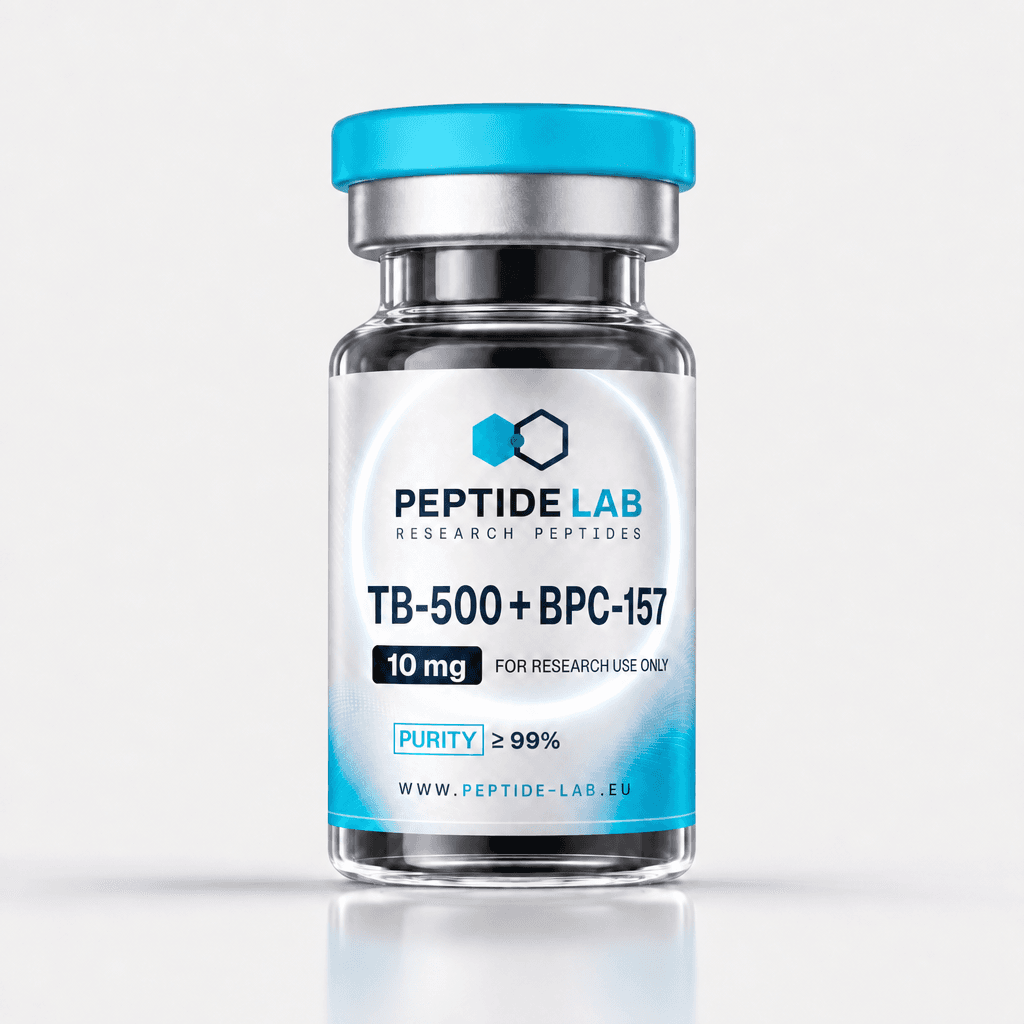
Because BPC-157 and TB-500 are researched through different mechanisms, they are sometimes studied together in study setups. Peptide Lab offers a ready-made BPC-157 & TB-500 blend for this. This too remains research material only.
Reconstituting peptides: from powder to solution
Recovery peptides are supplied as a lyophilised powder and reconstituted in the lab with bacteriostatic water. Reconstitution is a standard laboratory procedure. The steps below describe the common approach within a research context.
- 1Gather your materials
Vial with peptide powder, bacteriostatic water, a sterile insulin syringe and an alcohol wipe.
- 2Disinfect the rubber stopper
Clean the rubber stopper of both vials with an alcohol wipe before inserting the needle.
- 3Add the water slowly
Draw up the bacteriostatic water and let it run slowly down the inner wall of the vial — do not spray it directly onto the powder.
- 4Let it dissolve gently
Swirl the vial carefully; do not shake vigorously. The powder usually dissolves completely within a few minutes.
- 5Label and store refrigerated
Note the date and concentration, and store the reconstituted solution refrigerated according to the recommended conditions.
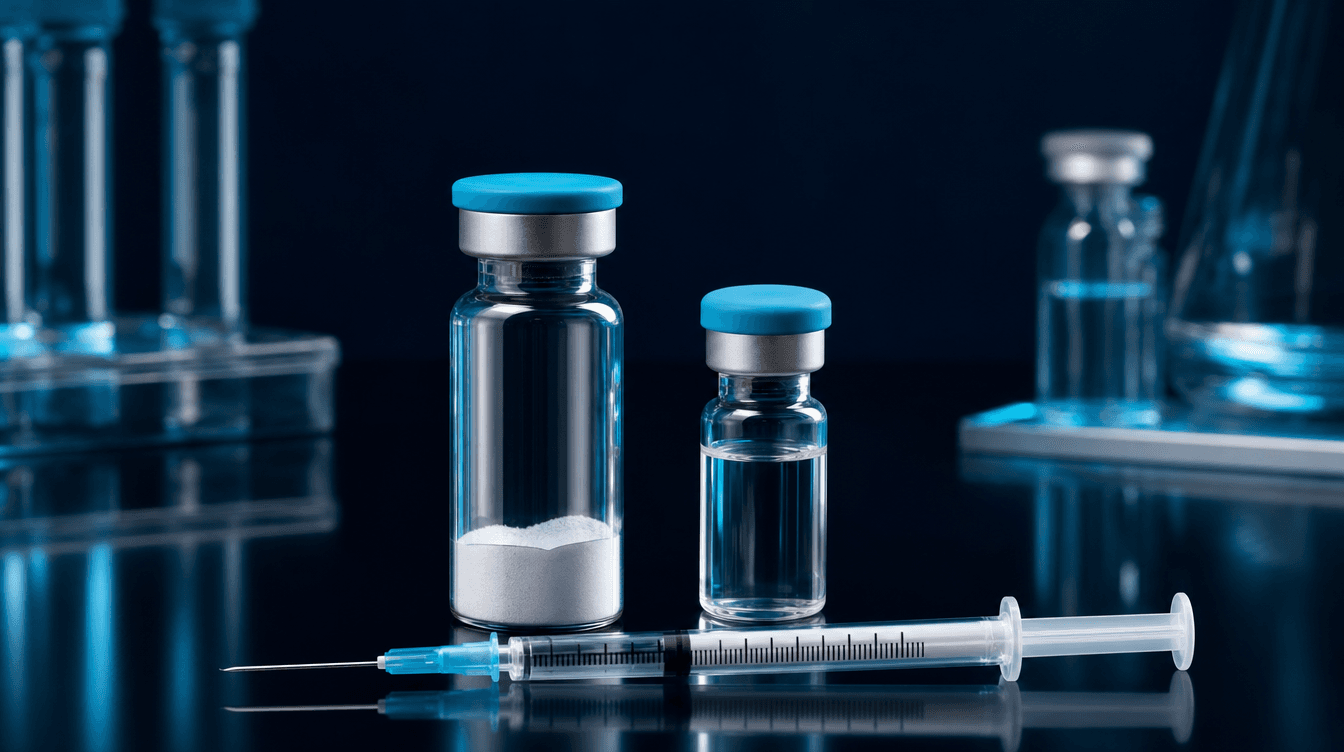
You will find the supplies at Lab & accessories — including bacteriostatic water and insulin syringes.
Purity and COA for recovery peptides
The quality of recovery peptides stands or falls with verified purity and a public, batch-specific certificate. Purity is determined via HPLC (High-Performance Liquid Chromatography) and confirmed by mass spectrometry. At Peptide Lab we apply a threshold of ≥99% and have every batch independently tested by Janoshik Analytical.
The accompanying Certificate of Analysis is publicly viewable per batch and linked to the lot number on the label. That way exactly what is in the vial can be traced. View the public lab certificates or read how we verify purity and quality.
This information is general and intended solely for a research context. Peptide Lab supplies research peptides exclusively for laboratory and research purposes. Not for human or animal consumption, not a medicine and not medical or legal advice.
Buying recovery peptides for research: what to look out for
When selecting a supplier, look at four things: verified purity, a public COA, batch traceability and reliable EU shipping. Transparency makes reproducible research possible. A supplier that publishes an independent certificate per batch and links the lot number to that certificate gives you the assurance that research requires.
- Purity: ≥99%, determined by HPLC and confirmed by mass spectrometry.
- COA: public and batch-specific, from an independent lab such as Janoshik.
- Traceability: lot number on the label, traceable to the certificate.
- Delivery: fast, discreet EU shipping with correct, refrigerated packaging.
See the full range in the category Recovery & healing, or go straight to the shop with all research peptides.
Frequently asked questions about recovery peptides
What are recovery peptides?
Recovery peptides are research peptides studied in scientific research in relation to tissue, tendon, joint and gut processes. Well-known examples are BPC-157, TB-500 and GHK-Cu. They are offered exclusively for research purposes.
What is the difference between BPC-157 and TB-500?
They are two distinct research peptides, each studied for different mechanisms in research. BPC-157 is a pentadecapeptide (15 amino acids) that frequently appears in tissue and gastrointestinal research; TB-500 is a fragment of Thymosin Beta-4 studied in research into actin regulation and cell migration.
Why are BPC-157 and TB-500 often studied together?
In research they are sometimes studied in combination because they act through different mechanisms. Peptide Lab offers a ready-made blend for this purpose. It remains research material only; no usage or health claims are attached to it.
How do you reconstitute a recovery peptide?
Research peptides are supplied as a lyophilised powder and reconstituted in the lab with bacteriostatic water. The water is added slowly along the wall of the vial, after which the solution dissolves gently without vigorous shaking. The reconstituted solution is stored refrigerated and labelled.
How do I recognise pure recovery peptides?
Purity is determined by HPLC and confirmed by mass spectrometry. Look for a public, batch-specific Certificate of Analysis (COA) from an independent lab. Peptide Lab applies ≥99% purity with a Janoshik COA per batch, linked to the lot number.
Are recovery peptides legal and safe?
Research peptides are offered exclusively for laboratory and research purposes — not for human or animal consumption and not as a medicine. In this context, safety means purity, correct handling and transparent documentation. This is general information, not medical or legal advice.
Sources & further reading
Independent third-party references — for further reading, not an endorsement or partnership.
- Dr. William Seeds, MD — Peptide Protocols — Medical references on peptides in cellular medicine (SSRP Institute)
- Dr. Peter Attia, MD — Scientific analyses of longevity and a critical view of peptide and hormone hype