BPC-157 vs TB-500: what is the difference?
BPC-157 and TB-500 are the two most studied recovery peptides, and they are almost always mentioned together. Yet they are fundamentally different molecules: a different origin, a different length and a different focus in research. Below they sit side by side, strictly in a research context.
| Property | BPC-157 | TB-500 (Thymosin Beta-4) |
|---|---|---|
| Origin | Fragment of a gastro-protective protein made by the body | Synthetic fragment of the protein Thymosin Beta-4 |
| Peptide type | Pentadecapeptide (15 amino acids) | Peptide fragment (approx. 43 amino acids in the parent protein) |
| Research field | Tissue and recovery processes, gastrointestinal tract | Actin regulation and cell migration |
| Half-life (literature) | Not firmly established for research use | Not firmly established for research use |
| Purity | ≥99% (HPLC + MS, Janoshik COA per batch) | ≥99% (HPLC + MS, Janoshik COA per batch) |
| Molecular weight | 1419.53 g/mol | 4963.50 g/mol |
| Vial strength | 10 mg per vial | 10 mg per vial |
The core difference: origin and focus
BPC-157 is a pentadecapeptide of fifteen amino acids derived from a gastro-protective protein made by the body; TB-500 is a synthetic fragment of Thymosin Beta-4. That difference in origin explains why they are studied on different themes. BPC-157 shows up mainly in research on tissue and gastrointestinal processes, TB-500 in research on actin — a structural protein involved in cell migration.
They also differ considerably in size: the molecular weight of BPC-157 is roughly a third of TB-500's. Both are supplied as a lyophilised powder and reconstituted in the lab with bacteriostatic water.
Why are they combined in research?
Precisely because their focus differs, BPC-157 and TB-500 are often studied as a combination — known in practice as the Wolverine blend. One vial then contains both peptides, reconstituted together; the stated amount is the total across both components.
Want the background to that combination? Read combining BPC-157 and TB-500. Work out the ratio for your own set-up with the reconstitution calculator.
Frequently Asked Questions
What is the difference between BPC-157 and TB-500?
BPC-157 is a pentadecapeptide of fifteen amino acids derived from a gastro-protective protein made by the body. TB-500 is a synthetic fragment of Thymosin Beta-4 and is studied around actin regulation and cell migration. They are therefore different molecules with a different research field.
Can BPC-157 and TB-500 be combined?
In research they are regularly studied as a combination, because their points of focus differ. Peptide Lab also supplies that combination as a single lyophilised blend, where the stated amount is the total across both components. For research purposes only.
Which is larger, BPC-157 or TB-500?
TB-500 is the larger molecule. The molecular weight of BPC-157 is about 1419.53 g/mol and that of TB-500 about 4963.50 g/mol — more than three times as heavy.
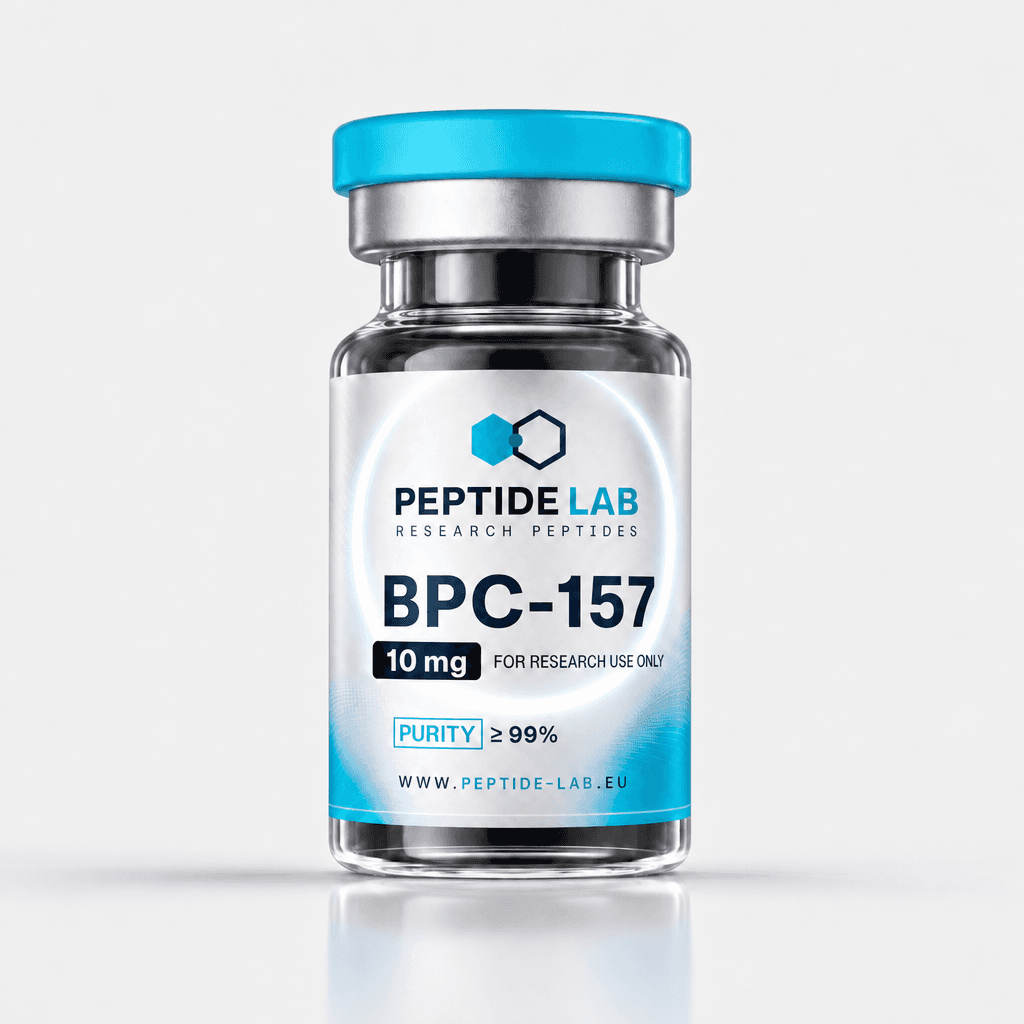
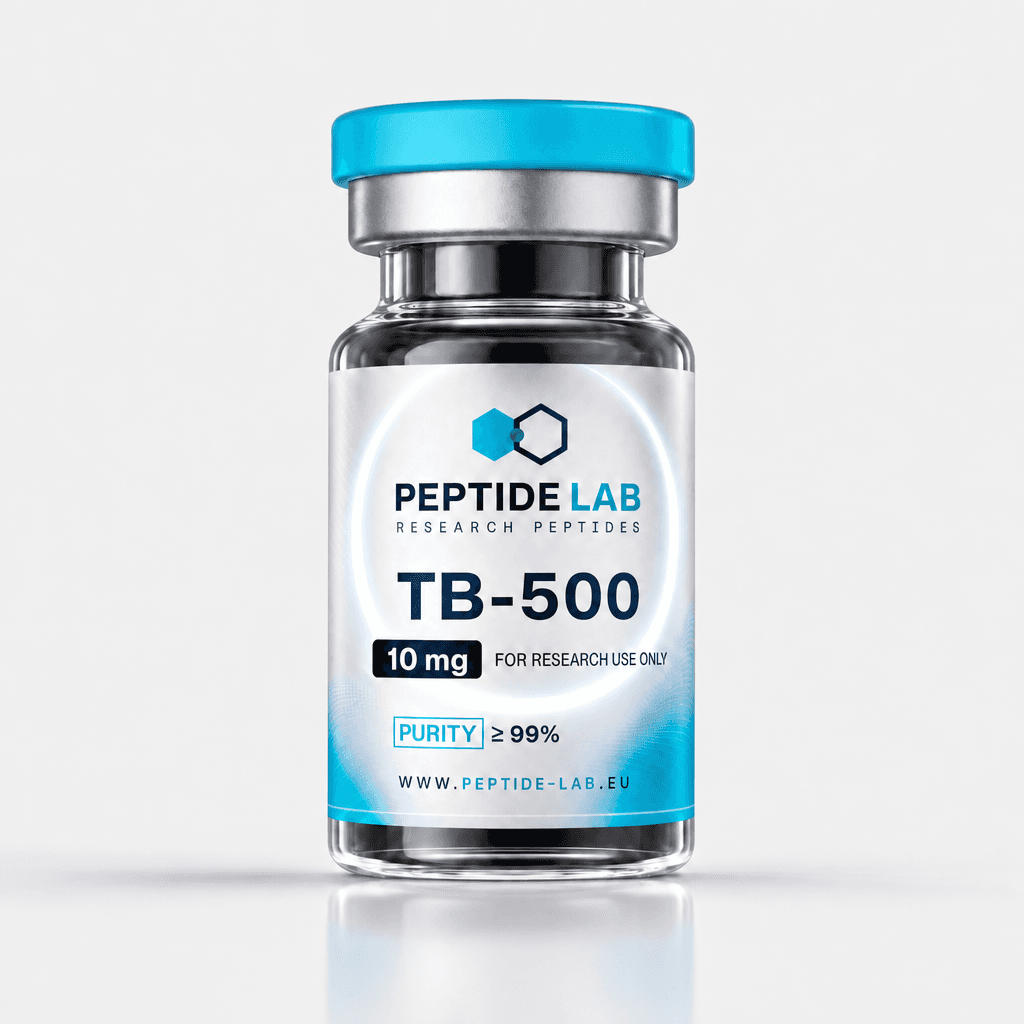
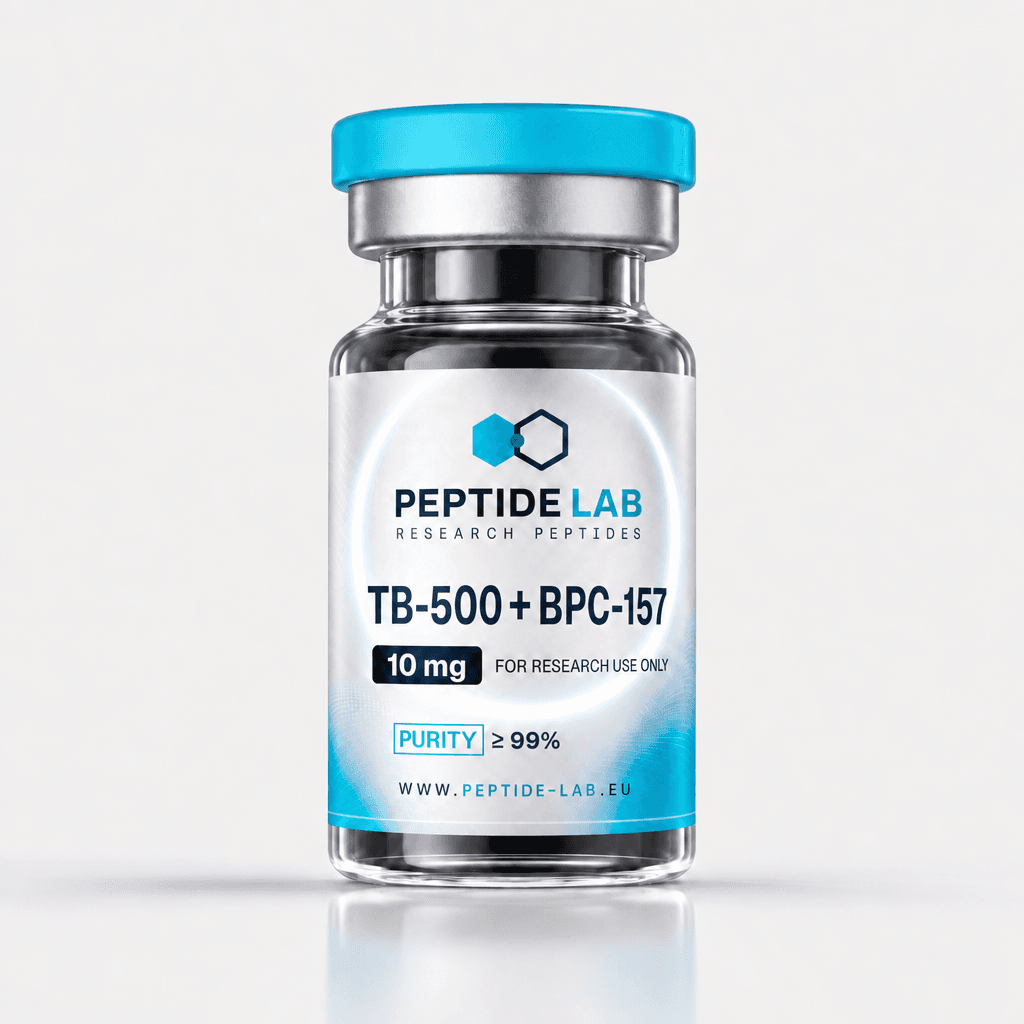
FOR RESEARCH USE ONLY. For laboratory and research purposes only. Not for human or animal consumption; not a medicine and does not constitute medical advice.