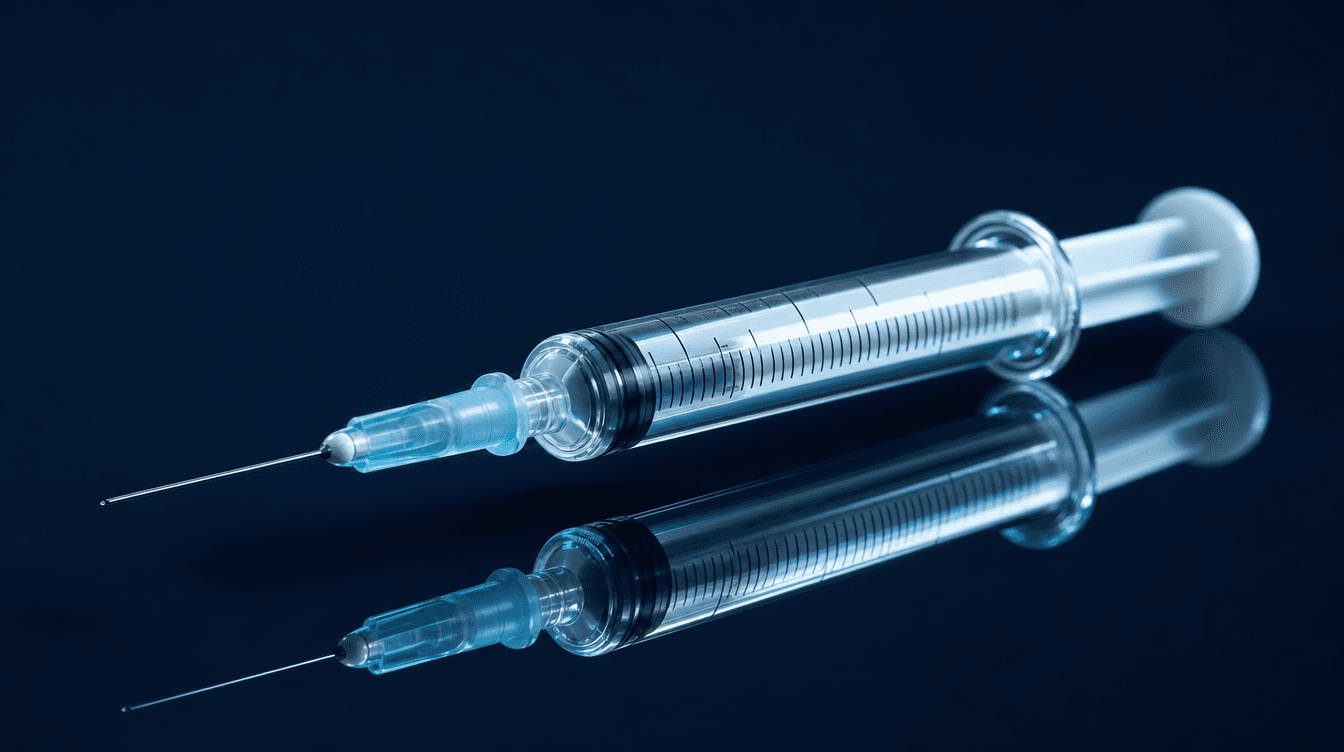
When reconstituting research peptides, precision in small volumes comes up constantly — and it starts with the right syringe. In this guide we explain, research-only, which syringe sizes exist and why the choice matters for accurate reading in the lab.
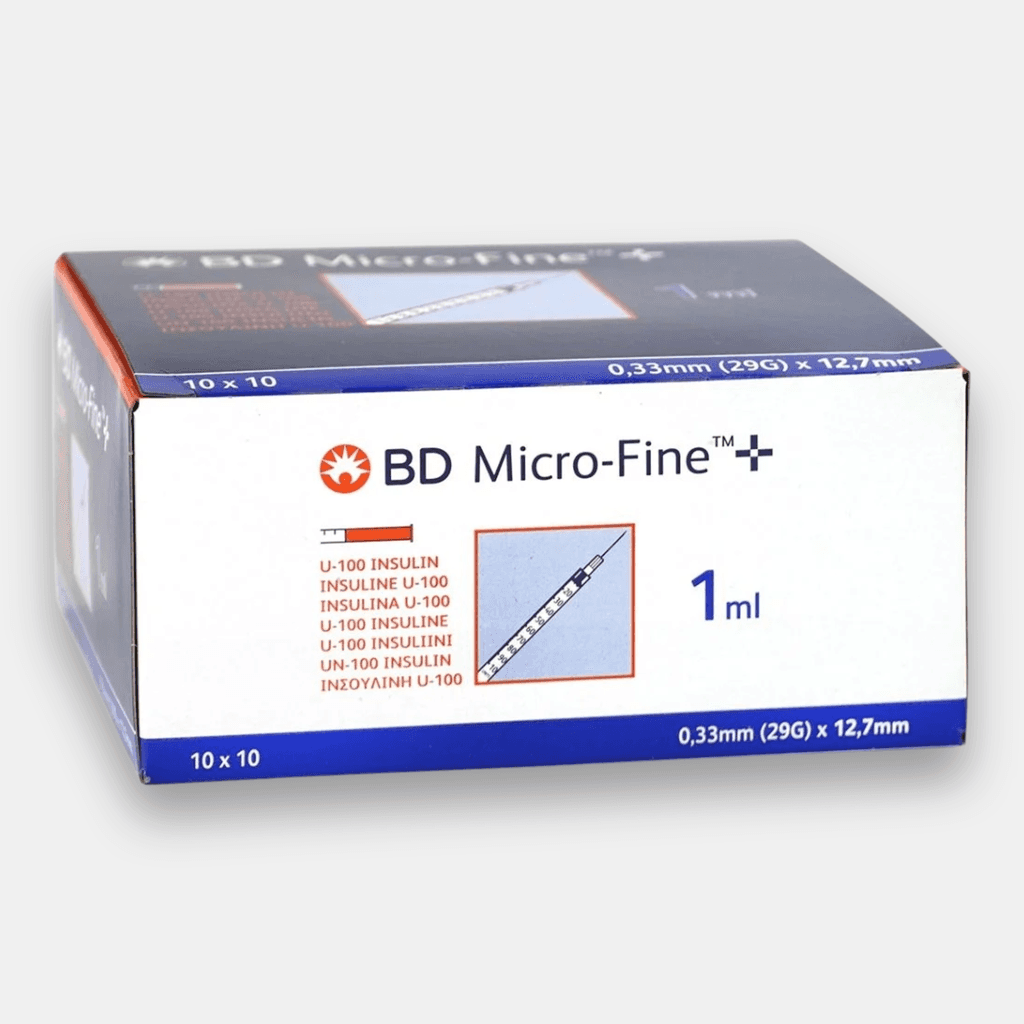
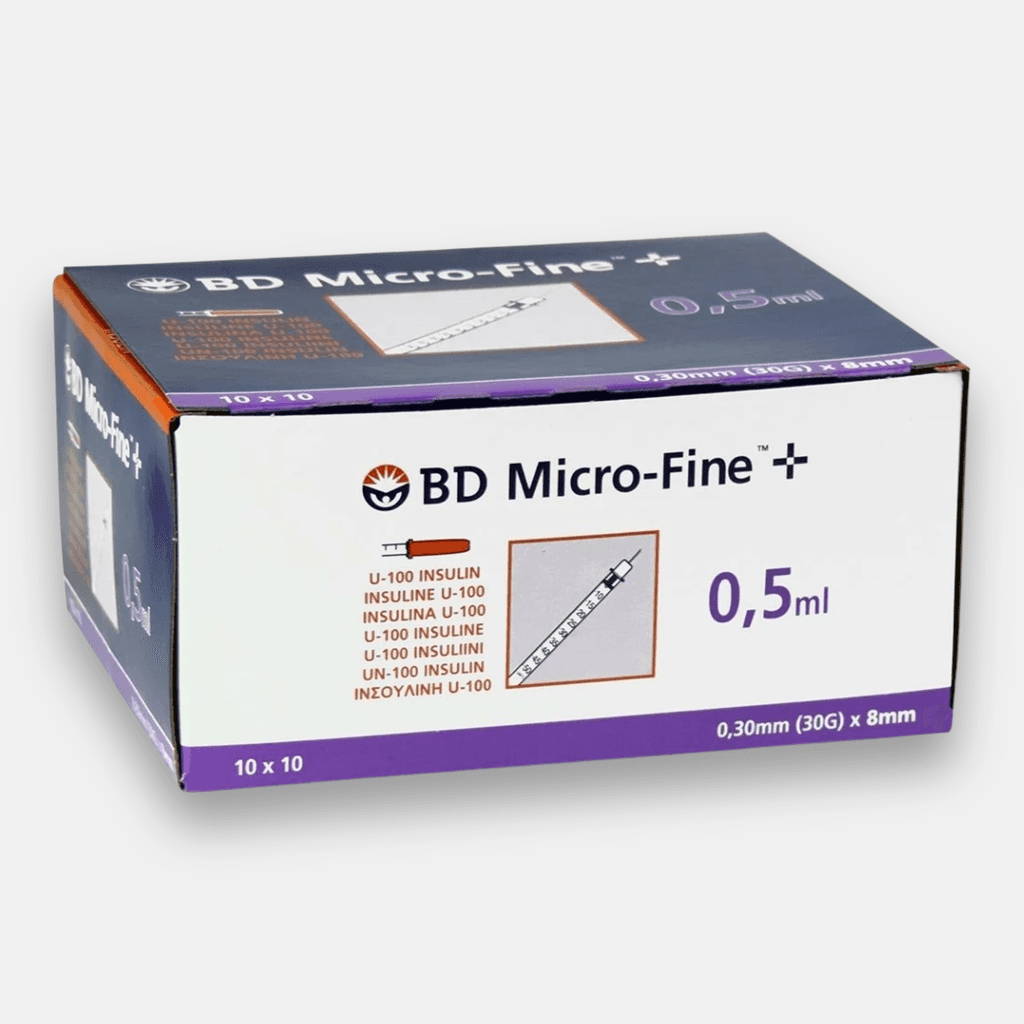
For measuring bacteriostatic water during reconstitution, use an insulin syringe with a fine graduation — 1 ml for most volumes, 0.5 ml for extra precision with smaller amounts. Alcohol swabs belong to a sterile workflow. For laboratory use only.
Why an insulin syringe for reconstitution?
Insulin syringes have a finer graduation than standard syringes, allowing accurate measurement of small liquid volumes. When reconstituting lyophilised peptide powder, every 0.1 ml counts, and that's exactly what this graduation is designed for. The full reconstitution workflow is in how to reconstitute peptides.
Why alcohol swabs with every reconstitution?
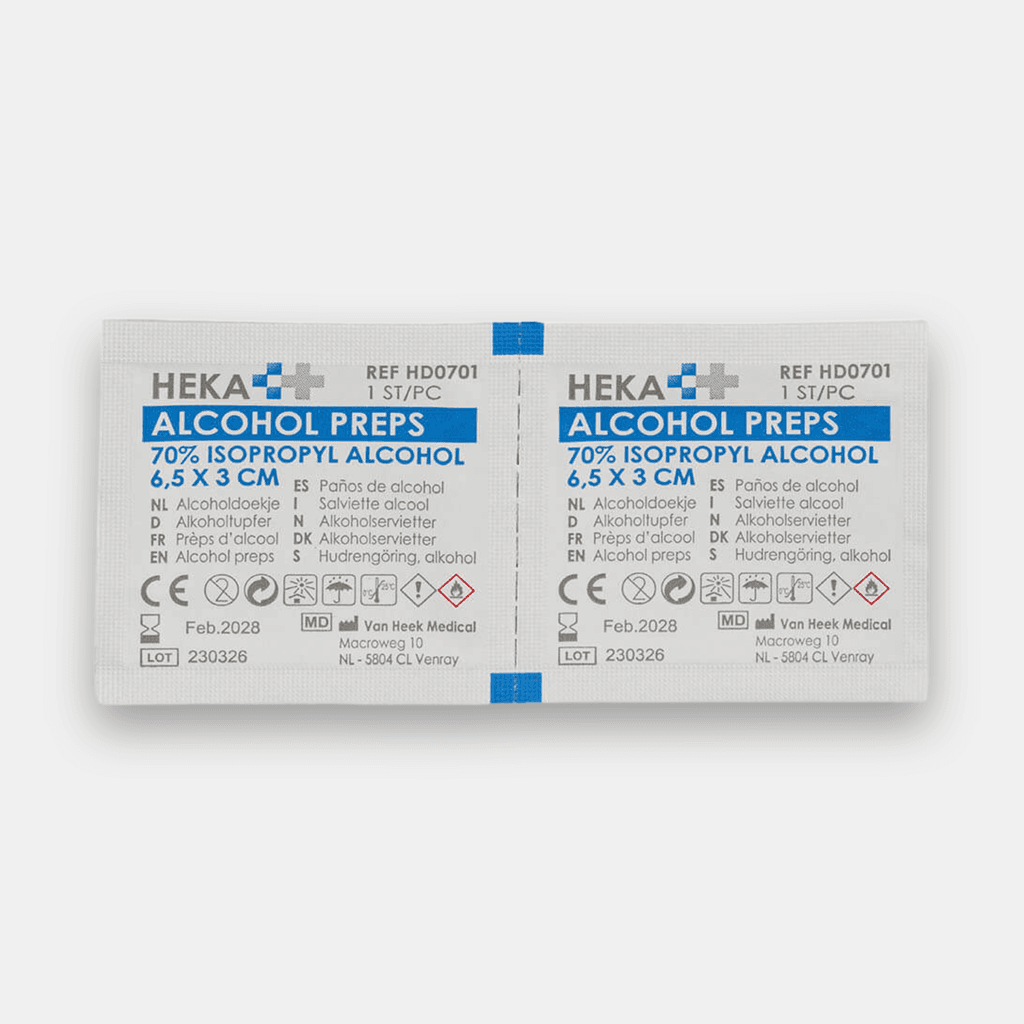
Alcohol swabs disinfect the rubber septum of a vial before puncturing it with a needle, contributing to a sterile lab workflow. This is a standard step in every reconstitution protocol, alongside using bacteriostatic water.
How much water do you need?
The amount of bacteriostatic water needed depends on the peptide's vial strength and the desired concentration for your research setup. Calculate the exact ratio with the reconstitution calculator. Also browse the full lab & accessories category.
This information is general and intended solely for laboratory use when reconstituting and measuring research material. Peptide Lab supplies these accessories for laboratory and research purposes only. Not for human or animal use and not medical advice.
Frequently asked questions about choosing insulin syringes
Which insulin syringe size do you use for reconstitution?
For reconstituting lyophilised peptide powder, a 1 ml insulin syringe is often used to accurately measure and add bacteriostatic water. A 0.5 ml syringe gives slightly more reading precision for smaller volumes.
Why an insulin syringe and not a regular syringe?
Insulin syringes have a fine graduation in small units, allowing accurate measurement of small liquid volumes — essential when reconstituting peptides in the lab.
What are alcohol swabs needed for?
Alcohol swabs are used to disinfect the rubber septum of a vial before puncturing it with a needle, contributing to a sterile lab workflow.
Are these accessories from Peptide Lab suitable for research?
Yes, Peptide Lab's insulin syringes and alcohol swabs are intended solely as laboratory accessories for reconstituting and measuring research peptides.