BPC-157 is one of the most sought-after research peptides — and precisely for that reason the quality and transparency of suppliers vary widely. This guide helps you assess BPC-157 for research: what to look for, how to read a certificate and which signals point to reliable quality.
Assess BPC-157 on four points: ≥99% purity (HPLC + mass spectrometry), a public batch COA from an independent lab such as Janoshik, traceability via a lot number, and cooled EU shipping. At Peptide Lab this is standard. For research purposes only.
What should you look out for when buying BPC-157?
When acquiring BPC-157 for research, four factors are decisive: purity, a public COA, batch traceability and reliable shipping. Transparency is not an extra but a requirement: without verifiable documentation you do not know what is in the vial. The table below summarises the four quality signals.
What does ≥99% purity mean?
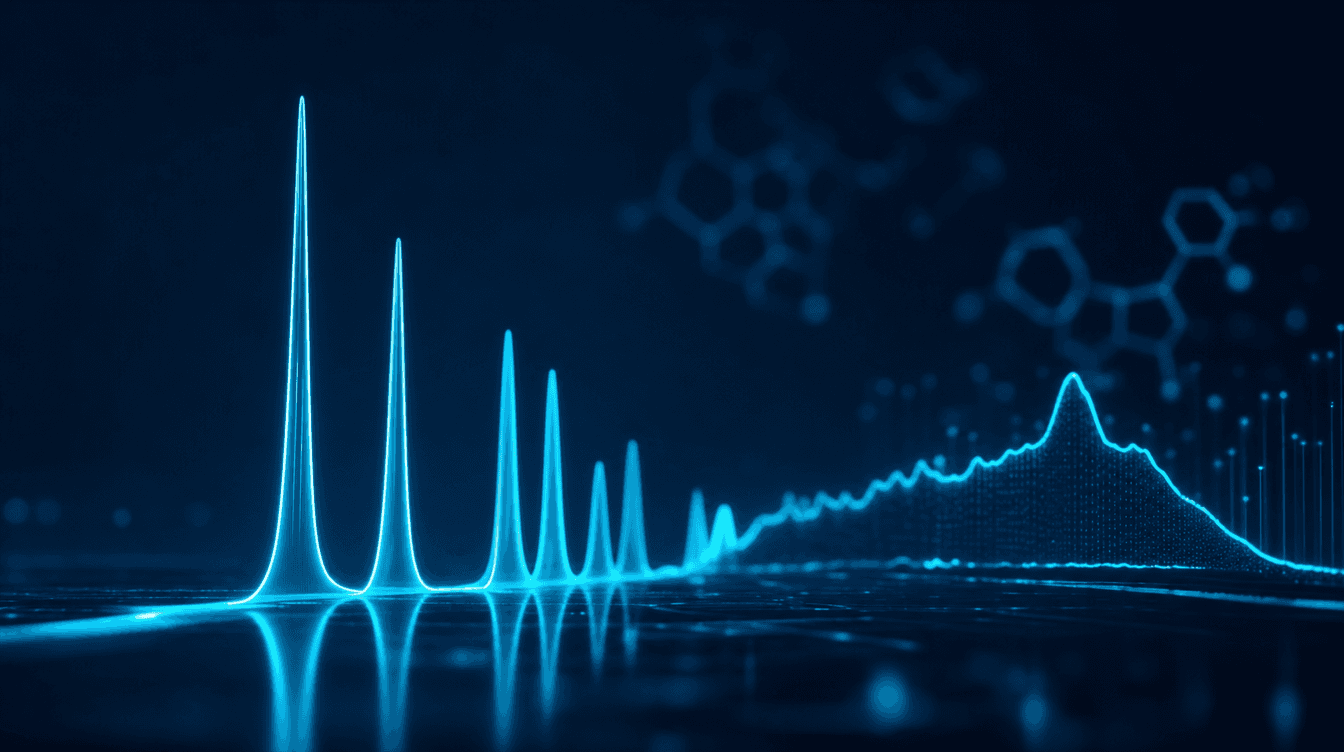
≥99% purity means that at least 99% of the material is actually the intended BPC-157 peptide. This percentage is determined with HPLC (High-Performance Liquid Chromatography), which separates and quantifies the components of a sample. Mass spectrometry then confirms the molecular identity and the exact molecular weight. Together these techniques form the standard for characterising research peptides.
Reading the Certificate of Analysis (COA)
A COA is an independent lab report that confirms the identity and purity of one specific batch. A reliable COA is batch-specific and comes from an independent laboratory. When reading it, pay attention to the following elements:
- 1Batch and lot number
Check that the lot number on the COA matches the lot number on the label of your vial.
- 2Purity value
Look for the reported purity percentage — at Peptide Lab this is ≥99%.
- 3Analysis method
A complete COA states the methods used, such as HPLC and mass spectrometry.
- 4Independent lab
Confirm that the report comes from a recognised, independent lab — for example Janoshik Analytical.
Peptide Lab publishes every certificate publicly. See a concrete example on the lab certificates page, or read how we verify purity and quality.
Form, packaging and reconstitution
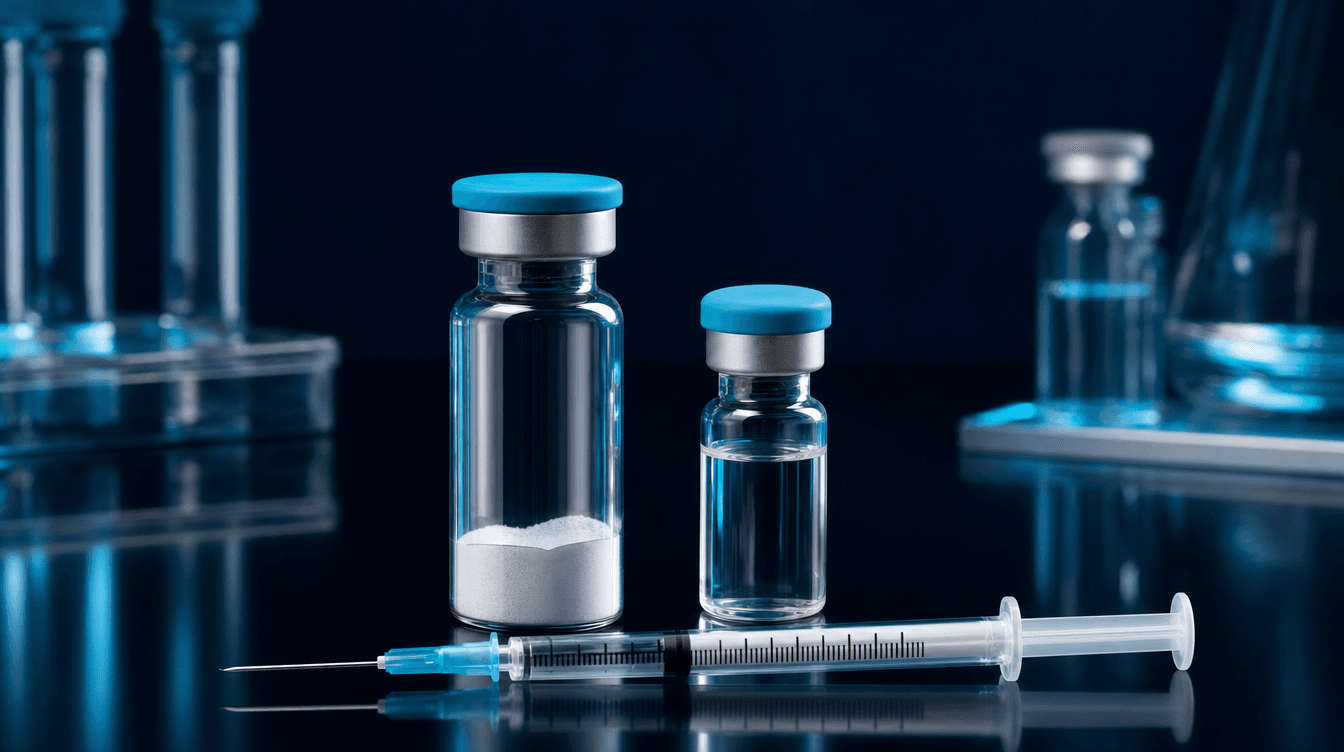
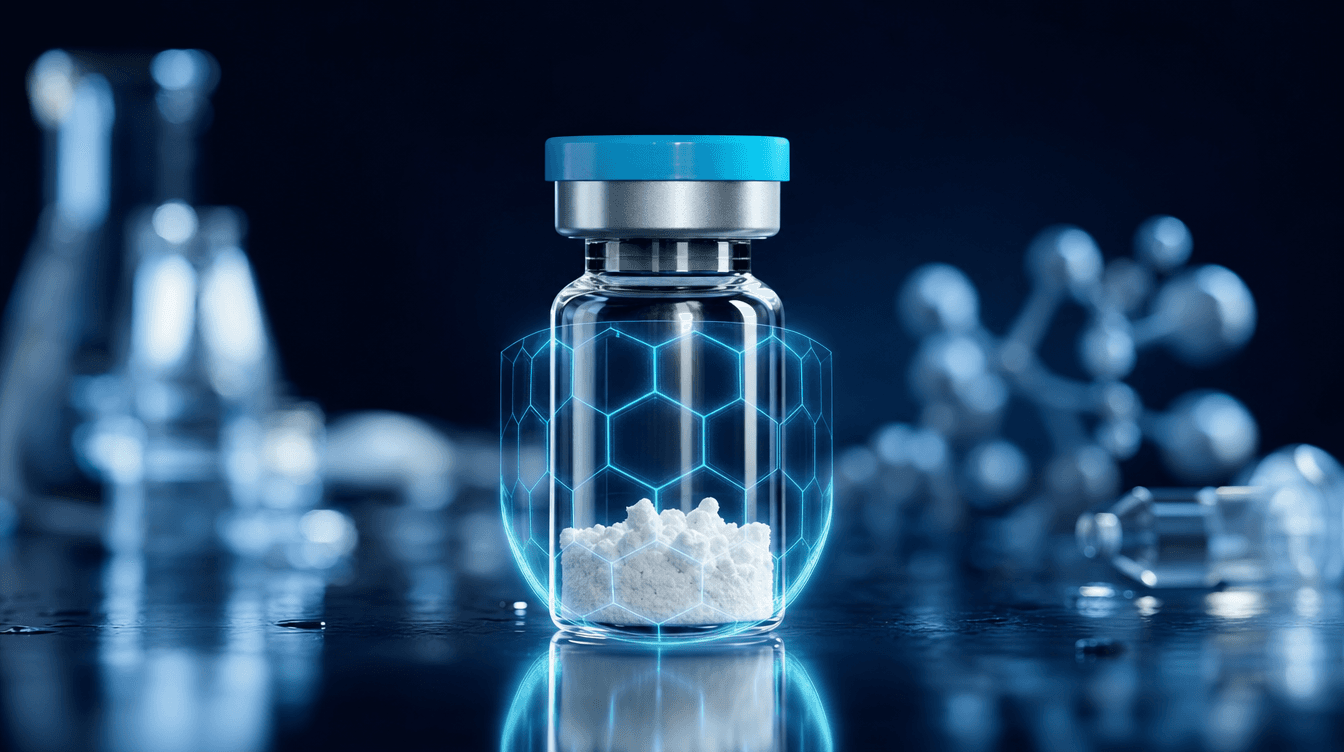
BPC-157 is supplied as a lyophilised powder in a vial (typically 10 mg), which is reconstituted in the lab with bacteriostatic water. Reconstitution is a standard laboratory procedure — the step-by-step method is set out in our recovery guide. For the supplies you can turn to bacteriostatic water and Lab & accessories.
This information is general and intended solely for a research context. Peptide Lab supplies BPC-157 exclusively for laboratory and research purposes. Not for human or animal consumption, not a medicine and not medical or legal advice.
BPC-157 on its own or as a blend?
BPC-157 is available on its own or as a ready-made blend with TB-500, depending on the research setup. Because BPC-157 and TB-500 are studied via different mechanisms, they are combined in some study setups. Want the background? Read what BPC-157 exactly is. Otherwise go straight to the BPC-157 & TB-500 blend.
Buying BPC-157 at Peptide Lab
At Peptide Lab every BPC-157 batch is lab-verified at ≥99% purity with a public Janoshik COA and fast EU shipping. You buy research material that is fully traceable: from lot number to certificate. See the details, price and availability on the BPC-157 product page, or explore the Recovery & healing category.
Frequently asked questions about buying BPC-157
What should you look out for when buying BPC-157?
Pay attention to four things: verified purity (≥99%), a public and batch-specific Certificate of Analysis (COA) from an independent lab, batch traceability via a lot number, and reliable, cooled EU shipping. Together these factors make reproducible research possible.
What does ≥99% purity mean for BPC-157?
It means that at least 99% of the material is actually the intended peptide, determined by HPLC and confirmed with mass spectrometry. Purity is the most important quality indicator for research material.
What is a COA and why does it matter?
A Certificate of Analysis (COA) is an independent lab report that confirms the identity and purity of a specific batch. Peptide Lab publishes a Janoshik COA per batch, linked to the lot number on the label, so you can trace exactly what you have in hand.
In what form and quantity is BPC-157 supplied?
BPC-157 is supplied as a lyophilised powder in a vial, typically 10 mg. It is reconstituted in the lab with bacteriostatic water. This concerns laboratory handling only; no usage dose for consumption is given.
Is buying BPC-157 legal?
BPC-157 is offered within a research-only framework: exclusively for laboratory and research purposes, not as a medicine and not for consumption. It therefore falls outside regular medicinal use. This is general information and not legal advice.